



Why Is Commercial Lighting So Important? The Triple Value Revolution: From Fixture Procurement to Strategic Investment
In the operation of commercial spaces, lighting was once merely seen as a "tool for environmental illumination". However, with the iteration of LED technology and the deepening of
In the operation of commercial spaces, lighting was once merely seen as a "tool for environmental illumination". However, with the iteration of LED technology and the deepening of green development concepts, its value has transcended basic functions and become a core strategic fulcrum for improving efficiency, optimizing experiences, and shaping brands. Driven by both cost pressures and experience demands, redefining the importance of commercial lighting is key to achieving high-return operations.
I. From "Energy Saving" to "Efficiency": The Reconstruction of Light Value
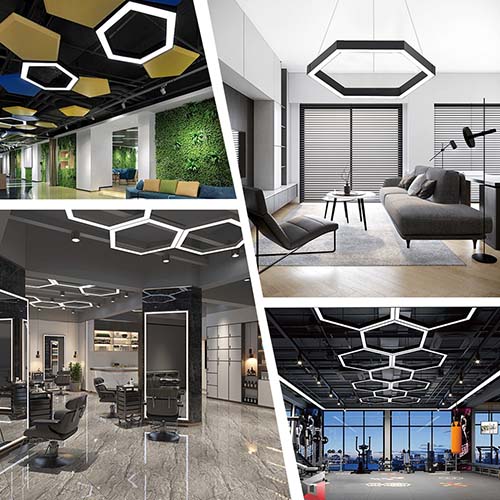
Na última década, a demanda principal por iluminação comercial has focused on "high luminous efficacy (lm/W)" and energy-saving rates. Yet, the simple pursuit of "brighter and more energy-efficient" can no longer meet the needs of complex commercial scenarios. Today, "scenario-adaptive luminous efficacy" has become the core of value — providing exactly the required light at the right time and place to achieve the dual goals of "experience enhancement" and "extreme energy conservation".
A typical transformation of an office building in a science and technology park shows: originally, 36W T8 fluorescent lamps were used, with an annual lighting energy consumption of 86,000 kWh, and full replacement was needed every 3 years. After switching to 18W full-spectrum LED panel lights (luminous efficacy 160lm/W, Ra95) paired with a dual-sensor system, "lights on when people are present, lights off when people leave + natural light compensation" was realized. The illuminance in meeting rooms was maintained at ≥500lx, while that in corridors was ≤100lx. As a result, annual energy consumption dropped to 29,000 kWh (energy saving rate of 66%), employee complaints about eye fatigue decreased by 40%, and task completion efficiency increased by 15%.
Caso anônimo de transformação industrial (resumido a partir de dados públicos de projetos de iluminação LED).
Em cenários de varejo, após um shopping center de 100.000 m² adotar um sistema de dimerização dinâmica, o brilho das áreas públicas foi ajustado sob demanda pela manhã e à noite. As lojas de marca podiam mudar as cores da luz, e o sistema mudava automaticamente para o brilho 10% por segurança após o fechamento. Após a transformação, a proporção do consumo de energia de iluminação caiu de 35% para 18% (economizando 1,2 milhão de kWh anualmente), e o tempo médio de permanência do cliente aumentou em 12%.
Anonymous retail property renovation case (extracted from China Commercial Real Estate Association's 2024 Lighting Efficiency Report).
This model solves three core problems: reducing fatigue by matching the biological clock with a dynamic light environment to improve employee efficiency; avoiding "over-illumination" through precise light supply, with an energy saving rate of up to 60% or more; and highlighting product advantages through directional light efficacy to enhance attractiveness.
II. From "Product Procurement" to "Service Subscription": The Subversion of Business Model

A "ownership revolution" is underway in the lighting industry — enterprises no longer need to purchase luminaires in one go, but can subscribe to light environments through "Lighting as a Service (LaaS)". This model turns "one-time transactions" into long-term service cooperation, which not only lowers the threshold for initial investment but also optimizes full-cycle benefits.
The core of LaaS is "pay-for-performance". The "pay-per-light" model launched by global lighting enterprise Significar is representative: enterprises sign a 5-year contract with service providers, who are responsible for the installation, operation, maintenance, and update of the lighting system. Customers only pay monthly fees based on "guaranteed illuminance" or "actual electricity savings", and the ownership of the luminaires remains with the service providers .
Signify Official Website. "LaaS (Lighting as a Service) Business Model Introduction", 2024.
Depois que o Aeroporto Schiphol de Amsterdã adotou esse modelo, seu consumo de energia com iluminação caiu 50%, e o tempo de resposta para falhas nas luminárias foi reduzido de 48 horas para 4 horas. A União Nacional dos Estudantes (Reino Unido) reduziu sua carga de energia de iluminação para 5,9 W/m² (muito abaixo da média do setor, que é de 8 a 12 W/m²) por meio desse modelo, economizando mais de 300.000 libras esterlinas em custos anuais de eletricidade. .
National Union of Students (UK). "Campus Lighting Energy-Saving Project Report", 2023.
Para operadores comerciais, o LaaS pode converter o custo fixo da aquisição de equipamentos em custos variáveis, eliminando a necessidade de um grande investimento inicial; as responsabilidades de operação e manutenção são transferidas para os prestadores de serviços, reduzindo a pressão da gestão das instalações; após o término do contrato, as empresas podem renovar ou mudar de plano de forma flexível para se adaptar às necessidades de expansão dos negócios.
III. Além da conformidade: a iluminação como amplificador do valor da marca
Against the backdrop of the advancement of the "dual carbon" goal and the tightening of environmental regulations, compliance in commercial lighting has evolved from a "bottom line to avoid penalties" to a "brand bonus point". Adopting advanced green lighting solutions is essentially a way to convey the concept of sustainable development to consumers and partners, and shape a responsible brand image.
A prática de Iluminação NVC é instrutivo: integra conceitos ESG em toda a cadeia industrial, constrói sistemas de gestão de energia nas bases, realiza a substituição por eletricidade renovável, utiliza materiais reciclados nos produtos (representando ≥30%) e seu design modular permite uma taxa de reciclagem superior a 85%. Essas medidas ajudaram o valor da marca a ultrapassar 67,9 bilhões de yuans em 2025. Seus projetos de bem-estar público renovaram mais de 200 salas de aula em mais de 30 escolas, beneficiando mais de 40.000 adolescentes e aprofundando a preferência dos consumidores. .
NVC Lighting Official Release. "2025 ESG Report and Brand Value Evaluation", 2025.
The brand premium brought by compliance is tangible: after a chain coffee brand adopted its full-spectrum LED system, it displayed the data "12 tons of annual carbon reduction" in stores. 78% of consumers said they would prioritize eco-friendly brands, and the repurchase rate increased by 20%. Conversely, in 2024, a supermarket was fined 150,000 yuan for using non-energy-saving luminaires, triggering negative public opinion of "weak environmental awareness", and its customer flow dropped by 8% that month .
Um guia para investimentos de alto retorno em iluminação comercial
Os tomadores de decisão nas empresas podem promover atualizações de iluminação seguindo as etapas a seguir:
- Diagnóstico do Cenário: Use an illuminance meter to test the existing light environment and identify core pain points — focus on "efficiency and health" for office scenarios, "experience and conversion" for retail scenarios, and "energy saving and safety" for public spaces;
- Seleção do modelo: Prioritize LaaS solutions if the budget is limited; for long-term property ownership, adopt the combination of "smart luminaires + operation and maintenance services" to balance initial investment and full-cycle benefits;
- Adaptação à conformidade: Priorizar marcas certificadas pela ISO 50001 e que utilizam materiais reciclados, e solicitar simultaneamente subsídios locais para economia de energia (a proporção em algumas regiões chega a 30%); ;
- Verificação do efeito: Establish a KPI monitoring system — track "efficiency improvement rate" for office scenarios, focus on "customer unit price and stay time" for retail scenarios, and monitor "energy consumption reduction rate" for all scenarios.
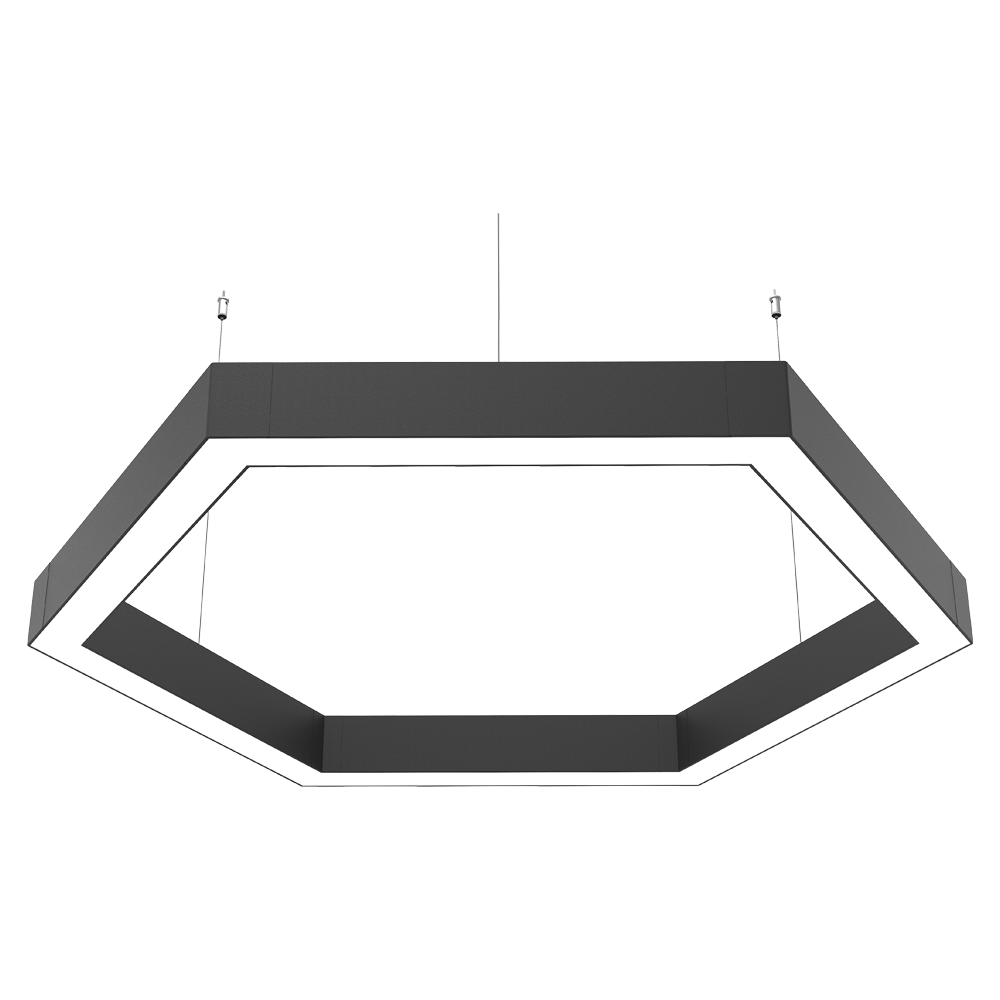
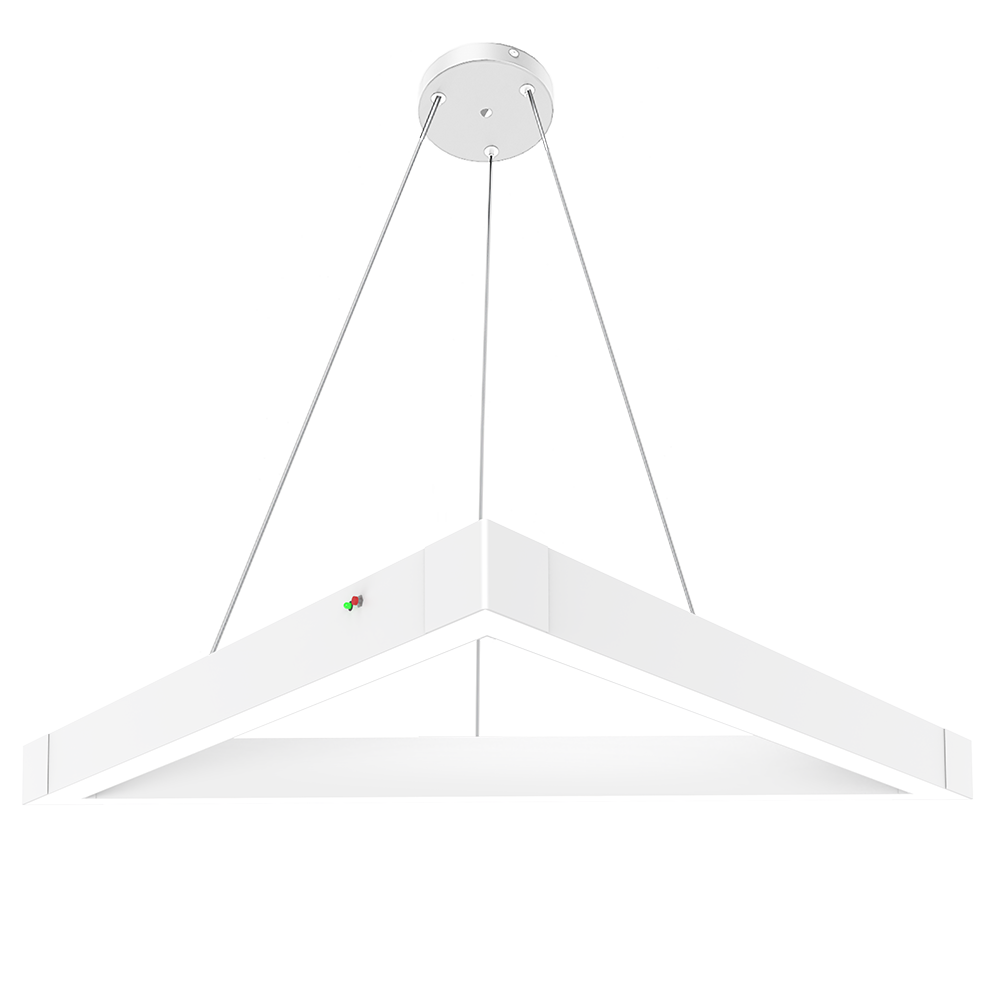
Helian's Série Smart Puzzle Os produtos permitem uma personalização inteligente e oferecem maior flexibilidade no design do formulário:
Conclusão
The value of commercial lighting has long transcended the basic function of "space illumination". From scenario-adaptive luminous efficacy to improve operational efficiency, to the LaaS model to optimize cost structure, and then to compliance practices to shape brand value, every investment is generating quantifiable returns. For contemporary commercial operators, lighting is no longer a "cost item" but a "strategic investment" that leverages efficiency, experience, and brands — choosing the right lighting means choosing the underlying logic of sustainable growth.
We design and supply LED aluminum profiles and linear lighting — over 200 profiles with matched diffusers and fittings, serving customers in more than 100 countries since 2007.
Related reading

Send the strip width, the run length and the destination — we will match the profile, the diffuser and the fittings, and quote within 1 business day.
Start your inquiry