



Why Is Commercial Lighting So Important? The Triple Value Revolution: From Fixture Procurement to Strategic Investment
In the operation of commercial spaces, lighting was once merely seen as a "tool for environmental illumination". However, with the iteration of LED technology and the deepening of
In the operation of commercial spaces, lighting was once merely seen as a "tool for environmental illumination". However, with the iteration of LED technology and the deepening of green development concepts, its value has transcended basic functions and become a core strategic fulcrum for improving efficiency, optimizing experiences, and shaping brands. Driven by both cost pressures and experience demands, redefining the importance of commercial lighting is key to achieving high-return operations.
I. From "Energy Saving" to "Efficiency": The Reconstruction of Light Value
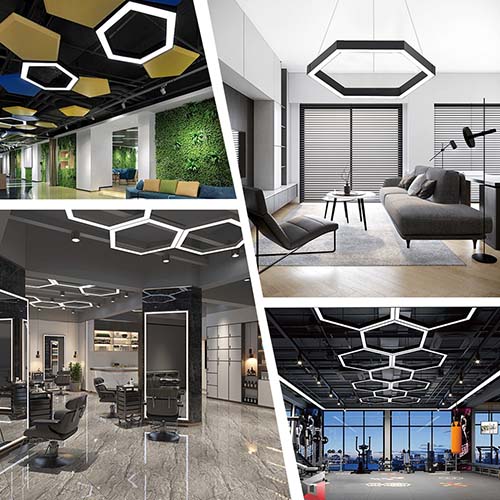
In het afgelopen decennium was de belangrijkste vraag naar commerciële verlichting has focused on "high luminous efficacy (lm/W)" and energy-saving rates. Yet, the simple pursuit of "brighter and more energy-efficient" can no longer meet the needs of complex commercial scenarios. Today, "scenario-adaptive luminous efficacy" has become the core of value — providing exactly the required light at the right time and place to achieve the dual goals of "experience enhancement" and "extreme energy conservation".
A typical transformation of an office building in a science and technology park shows: originally, 36W T8 fluorescent lamps were used, with an annual lighting energy consumption of 86,000 kWh, and full replacement was needed every 3 years. After switching to 18W full-spectrum LED panel lights (luminous efficacy 160lm/W, Ra95) paired with a dual-sensor system, "lights on when people are present, lights off when people leave + natural light compensation" was realized. The illuminance in meeting rooms was maintained at ≥500lx, while that in corridors was ≤100lx. As a result, annual energy consumption dropped to 29,000 kWh (energy saving rate of 66%), employee complaints about eye fatigue decreased by 40%, and task completion efficiency increased by 15%.
Anonieme industriële transformatiecase (samengevat op basis van openbare gegevens over LED-verlichtingsprojecten).
In winkelscenario's werd, nadat een winkelcentrum van 100.000 m² een dynamisch dimsysteem had geïnstalleerd, de helderheid van openbare ruimtes 's ochtends en 's avonds naar behoefte aangepast. Merkwinkels konden de lichtkleuren wijzigen en het systeem schakelde na sluitingstijd automatisch over op 10%-helderheid voor de veiligheid. Na de transformatie daalde het aandeel van het energieverbruik voor verlichting van 35% naar 18% (een besparing van 1,2 miljoen kWh per jaar) en nam de gemiddelde verblijftijd van klanten met 12% toe.
Anonymous retail property renovation case (extracted from China Commercial Real Estate Association's 2024 Lighting Efficiency Report).
This model solves three core problems: reducing fatigue by matching the biological clock with a dynamic light environment to improve employee efficiency; avoiding "over-illumination" through precise light supply, with an energy saving rate of up to 60% or more; and highlighting product advantages through directional light efficacy to enhance attractiveness.
II. From "Product Procurement" to "Service Subscription": The Subversion of Business Model

A "ownership revolution" is underway in the lighting industry — enterprises no longer need to purchase luminaires in one go, but can subscribe to light environments through "Lighting as a Service (LaaS)". This model turns "one-time transactions" into long-term service cooperation, which not only lowers the threshold for initial investment but also optimizes full-cycle benefits.
The core of LaaS is "pay-for-performance". The "pay-per-light" model launched by global lighting enterprise Betekenis is representative: enterprises sign a 5-year contract with service providers, who are responsible for the installation, operation, maintenance, and update of the lighting system. Customers only pay monthly fees based on "guaranteed illuminance" or "actual electricity savings", and the ownership of the luminaires remains with the service providers .
Signify Official Website. "LaaS (Lighting as a Service) Business Model Introduction", 2024.
Nadat Amsterdam Airport Schiphol dit model had ingevoerd, daalde het energieverbruik voor verlichting met 50% en werd de responstijd bij defecte armaturen teruggebracht van 48 uur naar 4 uur. De National Union of Students (VK) heeft met dit model het stroomverbruik voor verlichting teruggebracht tot 5,9 W/m² (ver onder het branchegemiddelde van 8-12 W/m²), wat een besparing oplevert van meer dan 300.000 GBP aan jaarlijkse elektriciteitskosten. .
National Union of Students (UK). "Campus Lighting Energy-Saving Project Report", 2023.
Voor commerciële exploitanten kan LaaS de vaste kosten van de aanschaf van apparatuur omzetten in variabele kosten, waardoor er geen enorme initiële investering nodig is. De verantwoordelijkheden voor exploitatie en onderhoud worden overgedragen aan dienstverleners, waardoor de druk op het facilitair beheer wordt verminderd. Na afloop van het contract kunnen bedrijven flexibel verlengen of van plan veranderen om zich aan te passen aan de behoeften van hun bedrijfsuitbreiding.
III. Meer dan alleen naleving: verlichting als versterker van merkwaarde
Against the backdrop of the advancement of the "dual carbon" goal and the tightening of environmental regulations, compliance in commercial lighting has evolved from a "bottom line to avoid penalties" to a "brand bonus point". Adopting advanced green lighting solutions is essentially a way to convey the concept of sustainable development to consumers and partners, and shape a responsible brand image.
De praktijk van NVC Verlichting is leerzaam: het integreert ESG-concepten in de hele industriële keten, bouwt energiebeheersystemen in bases, realiseert vervanging door hernieuwbare elektriciteit, gebruikt gerecyclede materialen in producten (goed voor ≥30%) en dankzij het modulaire ontwerp is een recyclingpercentage van meer dan 85% mogelijk. Deze maatregelen hebben ertoe bijgedragen dat de merkwaarde in 2025 meer dan 67,9 miljard yuan bedroeg. De maatschappelijke projecten hebben meer dan 200 klaslokalen in meer dan 30 scholen gerenoveerd, waarvan meer dan 40.000 tieners hebben geprofiteerd en waardoor de consument het merk nog meer is gaan waarderen. .
NVC Lighting Official Release. "2025 ESG Report and Brand Value Evaluation", 2025.
The brand premium brought by compliance is tangible: after a chain coffee brand adopted its full-spectrum LED system, it displayed the data "12 tons of annual carbon reduction" in stores. 78% of consumers said they would prioritize eco-friendly brands, and the repurchase rate increased by 20%. Conversely, in 2024, a supermarket was fined 150,000 yuan for using non-energy-saving luminaires, triggering negative public opinion of "weak environmental awareness", and its customer flow dropped by 8% that month .
Een gids voor rendabele investeringen in commerciële verlichting
Besluitvormers in ondernemingen kunnen verlichtingsupgrades bevorderen door de volgende stappen te volgen:
- Scenario-diagnose: Use an illuminance meter to test the existing light environment and identify core pain points — focus on "efficiency and health" for office scenarios, "experience and conversion" for retail scenarios, and "energy saving and safety" for public spaces;
- Modelkeuze: Prioritize LaaS solutions if the budget is limited; for long-term property ownership, adopt the combination of "smart luminaires + operation and maintenance services" to balance initial investment and full-cycle benefits;
- Naleving AanpassingGeef voorrang aan merken die ISO 50001-gecertificeerd zijn en gerecyclede materialen gebruiken, en vraag tegelijkertijd lokale subsidies voor energiebesparing aan (het aandeel hiervan bedraagt in sommige regio's 30%). ;
- Effectverificatie: Establish a KPI monitoring system — track "efficiency improvement rate" for office scenarios, focus on "customer unit price and stay time" for retail scenarios, and monitor "energy consumption reduction rate" for all scenarios.
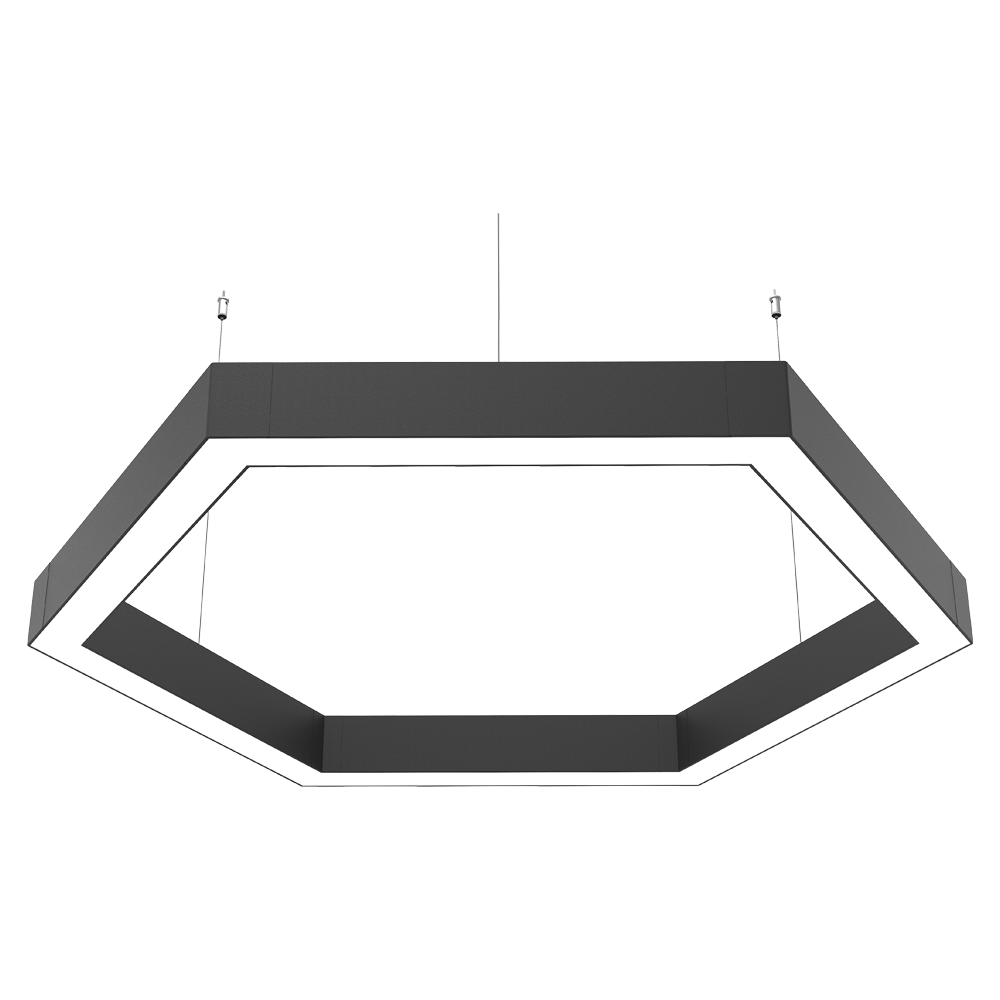
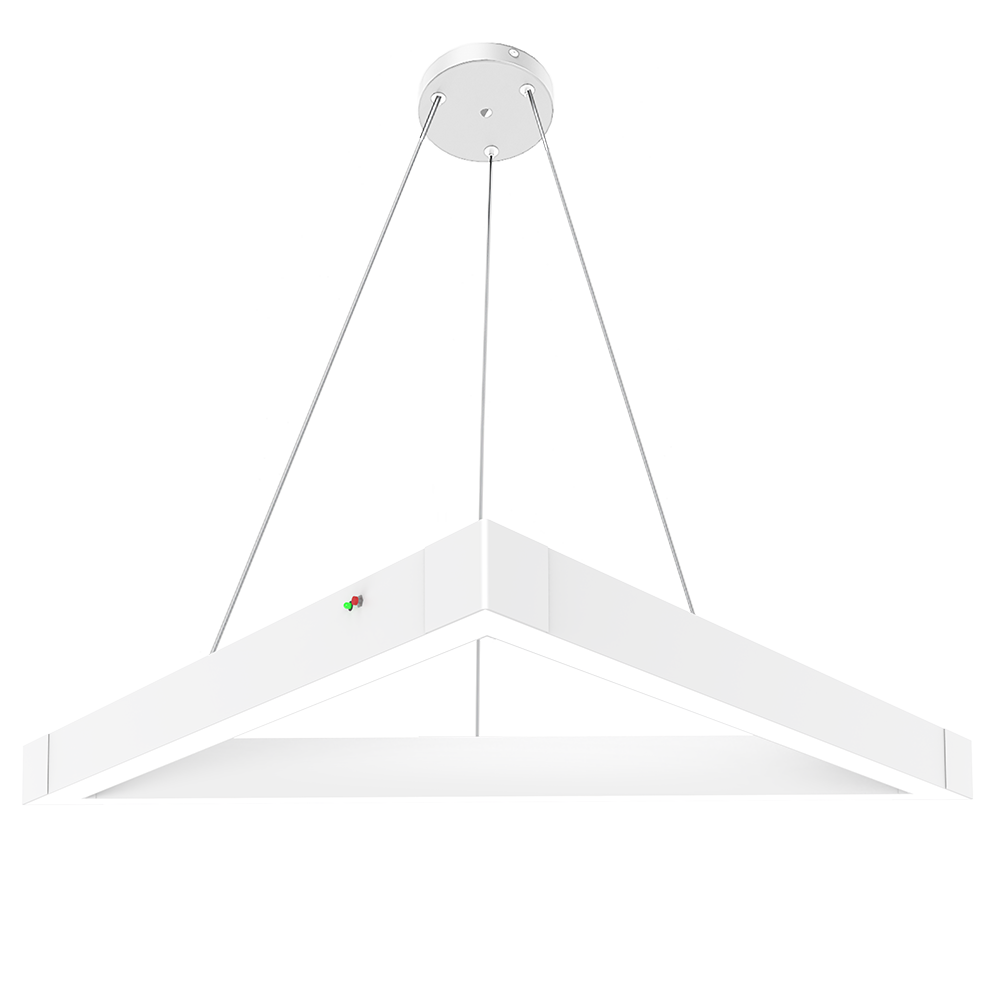
Helian's Slimme puzzelreeks producten maken intelligente aanpassingen mogelijk en bieden meer flexibiliteit in het ontwerp van de vorm:
Conclusie
The value of commercial lighting has long transcended the basic function of "space illumination". From scenario-adaptive luminous efficacy to improve operational efficiency, to the LaaS model to optimize cost structure, and then to compliance practices to shape brand value, every investment is generating quantifiable returns. For contemporary commercial operators, lighting is no longer a "cost item" but a "strategic investment" that leverages efficiency, experience, and brands — choosing the right lighting means choosing the underlying logic of sustainable growth.
We design and supply LED aluminum profiles and linear lighting — over 200 profiles with matched diffusers and fittings, serving customers in more than 100 countries since 2007.
Related reading

Send the strip width, the run length and the destination — we will match the profile, the diffuser and the fittings, and quote within 1 business day.
Start your inquiry