




LED Stair & Floor Profiles Step, skirting and floor-edge channels
The hardest-wearing lit detail in a building. A step or skirting line gets walked on, kicked and cleaned, and still has to read as one clean line. 11 profiles, strip widths 4–14 mm, outer heights from 6 mm.
Three decisions decide whether this detail works
The channel is only part of it. What the run looks like in service depends on what it is fixed into, the section you choose and how the output is aimed.
Low enough to sit in the tread
Outer heights start at 6 mm, so the body can be set into a nosing without lifting the step or standing proud of it.
Two bodies are built for a silicone strip
A step edge is not the place for a brittle cover. Two models in this group take a silicone strip instead of a diffuser.
Recessed, or fixed on top
Seven of the eleven are recessed bodies; the rest fix to the finished step — which is what you need on a retrofit.
All 11 profiles in this group
Ao vivo do catálogo de produtos — basta adicionar um perfil no backend para que ele apareça aqui, sem precisar alterar esta página.
Escolha a restrição que você realmente tem
Quatro das decisões que surgem em primeiro lugar, cada uma respondida com base na gama de opções acima — de acordo com a altura externa, com a faixa que você já compra e com a forma como o corpo precisa ser ajustado.
How to narrow this range down to one body
Three numbers decide it, in this order. Every figure below is this group, not the whole catalogue.
Recessed into the nosing, or fixed to the finished tread. On an existing stair, surface fixing is usually the only option.
This range takes 4–14 mm strip. A shallow nosing will not take a wide channel.
Outer height is what decides whether the line sits flush with the tread or stands proud of it.
Quatro maneiras de fixar este fogão no teto
Agrupados de acordo com a forma de instalação do corpo. As contagens são atualizadas a partir do índice do catálogo; cada grupo contém um link para a página completa de montagem.
Quem elabora a seção e o que está por trás do desenho
As certificações abaixo foram emitidas para a Shenzhen Helian Electronics Co., Ltd. Os números dos certificados e as normas de teste estão indicados na íntegra; portanto, qualquer uma delas pode ser verificada junto ao órgão emissor antes de você fazer a especificação.
Sistemas de gestão
ISO 9001:2015 e ISO 14001:2015
- Certificado
- 73025Q05190113R1S · 73025E05190046R1S
- Porta
- Shenzhen Helian Electronics Co., Ltd
- Escopo
- Pesquisa e desenvolvimento e vendas de luminárias LED (exportação)
- Emitido
- 12 de junho de 2025 — válido até 16 de junho de 2028
- Corpo
- Shenzhen Zhonghuan International Certification Co., Ltd.
CE — no próprio perfil
PERFIL DE LED, EMC e LVD
- Certificação EMC.
- XDD04260780041502FDC
- Norma EMC
- EN IEC 55015 · EN IEC 61547 · EN IEC 61000-3-2 · EN 61000-3-3
- Certificado LVD.
- XDD04260780041501FAC
- Norma LVD
- EN IEC 60598-1:2024/A11:2024
- Emitido
- 15 de abril de 2026 · BST Testing (Shenzhen)
Conformidade dos materiais
RoHS · REACH · difusor
- Perfil RoHS
- relatório TQT0780K01EC (série IEC 62321)
- alumínio 6063
- declarações separadas relativas à RoHS e ao REACH
- Difusor de PC
- SGS RoHS de acordo com a norma EN / IEC 62321
- Difusor de PMMA
- Declaração de SVHC do REACH
Direitos de desenho industrial
25 certificados de patente
- Patente de invenção
- método de controle inteligente para luminárias
- Luz de contorno
- ZL 2018 2 1588485.0 · adesão gratuita
- Luz linear antirreflexo
- ZL 2017 2 0569226.2
- Luminária de teto para iluminação difusa de paredes
- modelo de utilidade + patente de desenho
- Além disso
- patentes de desenho industrial e um registro de desenho industrial da UE
- GATE 0%d Material recebido Norma de inspeção de entrada e um registro de inspeção de recebimento, por remessa.
- GATE 0%d Primeiro artigo Folha de aprovação do primeiro artigo, mantida antes da liberação da produção em série.
- GATE 0%d Envelhecimento e iluminação Uma especificação por escrito sobre o envelhecimento, além de um registro do envelhecimento e da iluminação do lote.
- GATE 0%d Inspeção de saída Relatórios de inspeção de saída específicos para o perfil extrudado e para o difusor.

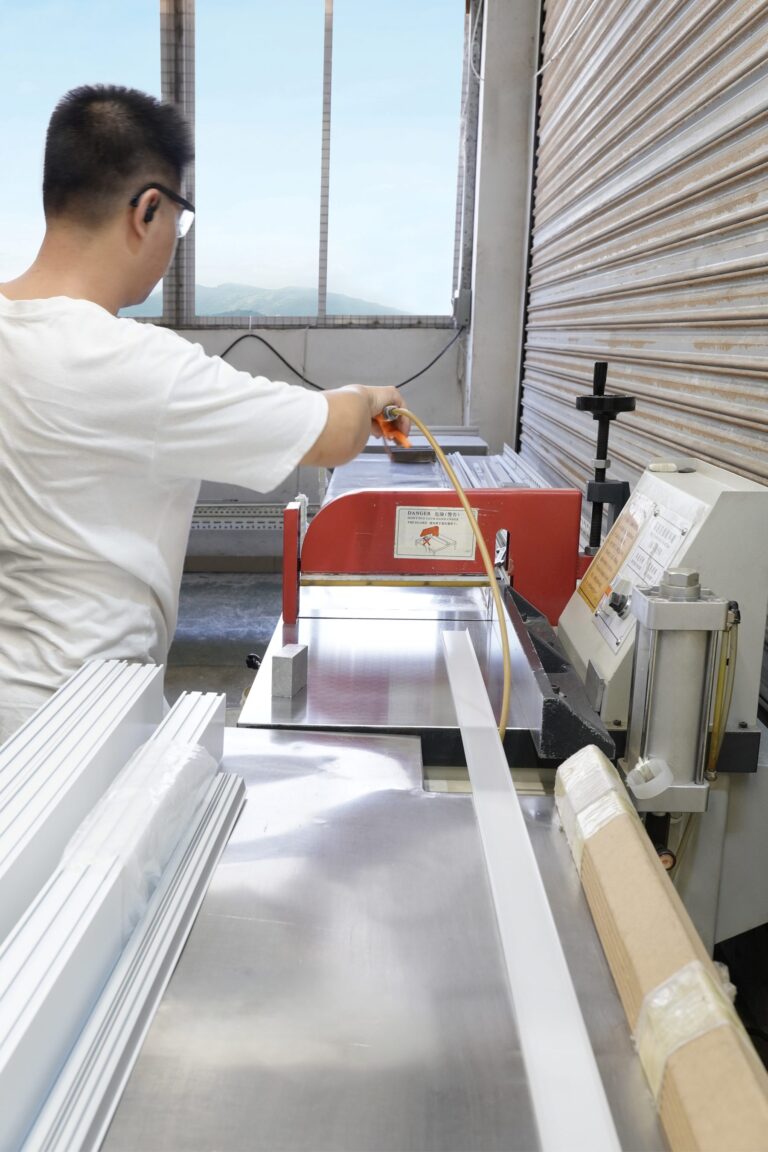
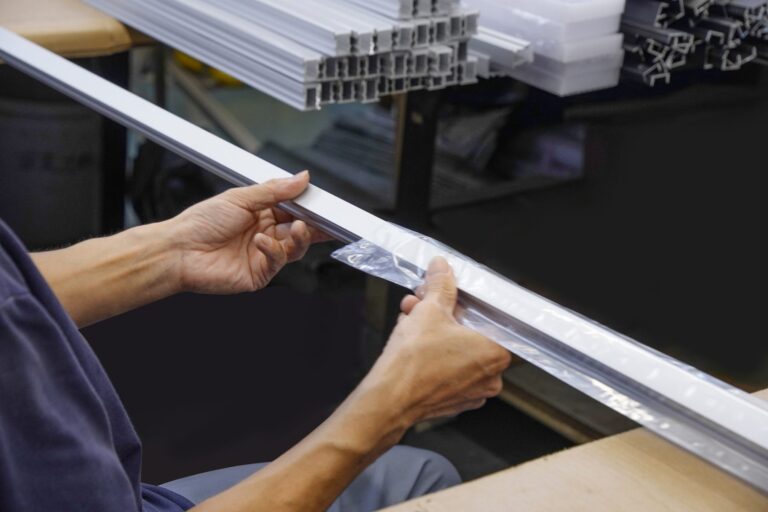
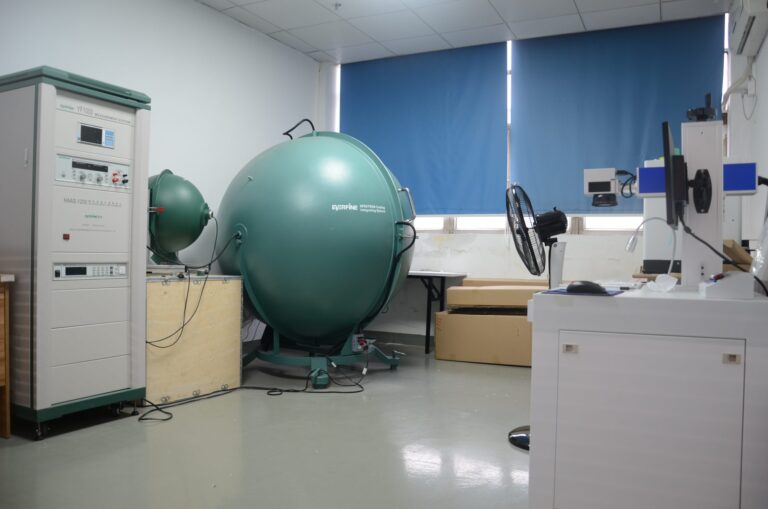

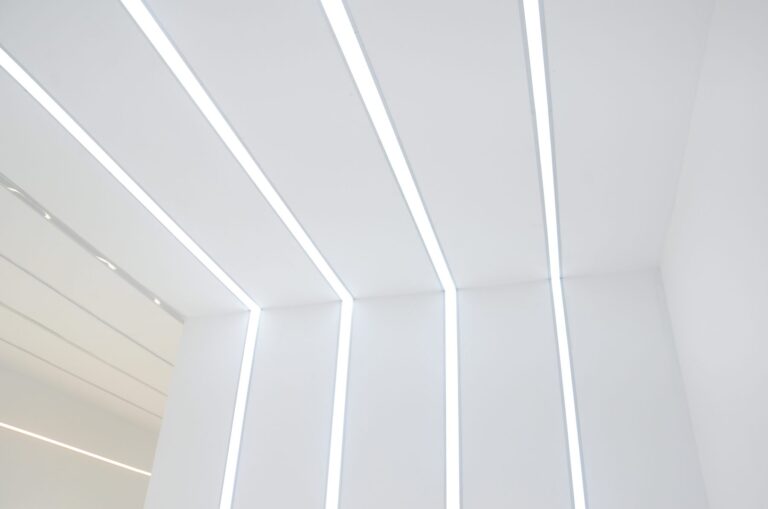
O que nos enviar e o que você receberá em troca
A maioria dos detalhes do teto é definida no desenho, e não por telefone.
-
PASSO 01
Envie o detalhe do teto
Um esboço em corte, uma foto do resultado final ou apenas a profundidade do bolso e a tira que você pretende usar.
-
PASSO 02
Nós o associamos a uma seção
Verificamos as ferramentas que já utilizamos antes de propor qualquer novidade — a maioria dos detalhes se encaixa em um perfil já existente.
-
PASSO 03
Você entendeu o desenho
O desenho com as dimensões do modelo compatível, indicando W, H e a largura da tira que ele aceita, para que você possa verificar o recorte.
-
PASSO 04
Experimente e, em seguida, faça seu pedido
Os comprimentos de corte e o acabamento são confirmados com base no desenho antes que qualquer peça entre em produção.
What buyers ask before specifying this group
The questions that come up most often before a run is signed off.
Can the profile be walked on?
That is a question about the section and the substrate, not about the range. Send the stair detail and we will say which body is meant for a traffic edge and how it is bedded in.
Recessed or surface — which should I use?
Recessed if the stair is being built or cut back, surface if it is already finished. Both are in this group; the drawings show the fixing for each.
Why do some models take a silicone strip?
A silicone cover tolerates movement and impact better than a rigid diffuser, which is what a step edge normally sees. Two bodies in this range are built that way.
Can it run the whole flight?
Bodies come in 4 m lengths and are cut per tread or per run. Where a flight needs several lengths, the accessory list on each model shows what is available for the joints.
What if my nosing is a non-standard shape?
Send a section sketch. Most nosing details map onto an existing body; where nothing fits, the section can be tooled.
The step is already tiled — can I still use one of these?
Use a surface body. The recessed bodies in this group are set into the step before the finish goes on, so on an existing tiled stair they are no longer an option.
Can the same body go outdoors on a step?
Start from the outdoor and waterproof group instead. Interior and exterior bodies differ in how the cover is retained and how the ends are closed, and those are the parts that fail first outside.
Other ranges you may need on the same job
Most projects use more than one body. These are the ranges next to this one, plus the four mounting ranges.
Another range that often appears on the same drawing.
See the rangeAnother range that often appears on the same drawing.
See the rangeAnother range that often appears on the same drawing.
See the rangeAnother range that often appears on the same drawing.
See the rangeAnother range that often appears on the same drawing.
See the rangeAnother range that often appears on the same drawing.
See the rangeFlush in the board, trimless or flanged.
See the rangeHung from the slab on suspension.
See the rangeFixed onto a finished substrate.
See the rangeFor the junction where two surfaces meet.
See the rangePróximo passo
Send us the detail
Tell us where the run goes, the strip you plan to use and the length. We will come back with the section that fits and its drawing.