



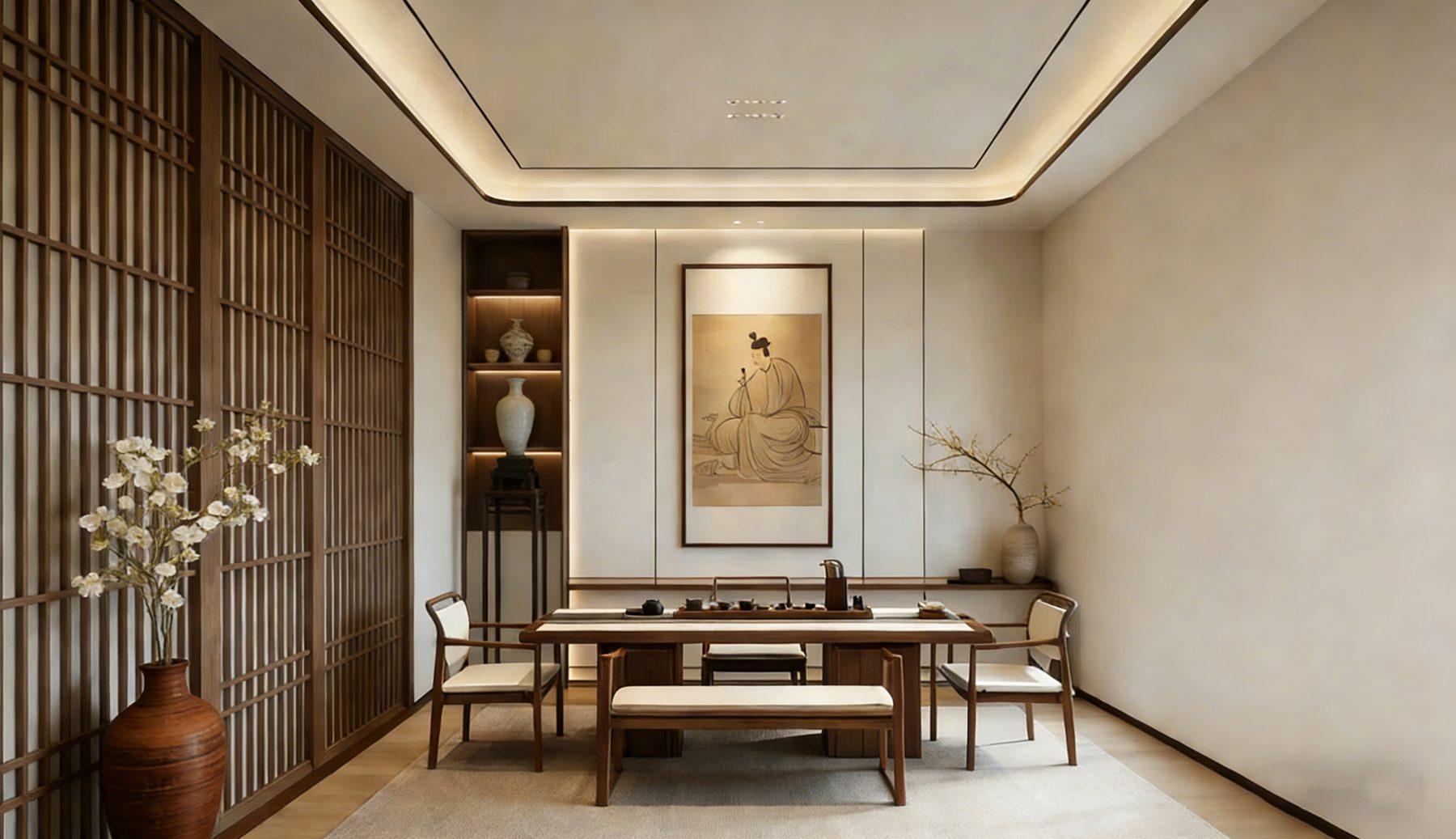
LED-plafondprofielen For coves & dropped ceilings
A ceiling profile is a pocket, a channel and a line of light in one detail. The channel fixes into the reveal you build and throws its output across the surface — so what the room reads is a wash of light, not a strip. Everything on this page is tooled for that job.
A ceiling line is three details, not one product
The channel only does a third of the work. What decides whether the ceiling reads as clean light or as a visible fixture is the pocket, the section and the way the output is aimed.
The source stays out of sight
Output is aimed up and across, so the strip sits above the sight line. The eye reads brightness on the surface, not a row of diodes.
The pocket sets the reveal
A drop or shadow gap decides how much of the channel is seen. Plaster-in bodies bury their flange; only the opening stays visible.
The section sets the evenness
The diffuser is what turns a row of LEDs into a wash. The width and depth of the section decide how flat that wash reads along a long run.
All 20 ceiling profiles
Rechtstreeks uit de productcatalogus — voeg een profiel toe in de backend en het verschijnt hier zonder dat je iets aan deze pagina hoeft te veranderen.
Where these profiles actually end up
Six ceiling conditions this range is specified into. The cove line is the same detail in all of them — what changes is the pocket, the run and the surface around it.

Office & workplace ceilings
Continuous recessed lines run between service bulkheads — the light stays one line while the ceiling takes the services.
Recessed range
Kitchen & joinery ceilings
A recessed line kept tight to the joinery above, so the ceiling stays clean over the worktop.
Recessed range
Corridors & lift lobbies
Long, uninterrupted runs where the ceiling is the only surface left to light.
Full range
Stairwells & double-height spaces
Perimeter coves that wash a tall wall without putting a visible source at eye level.
Suspended range
Hospitality & hotel lobbies
Concentric and stepped ceilings read as one continuous gradient when the cove line is unbroken.
Suspended range
Residential perimeters
A shadow-gap perimeter where the ceiling appears to float — the detail most interior schemes are drawn around.
Recessed rangeHow to narrow 20 profiles down to one
Three numbers decide it, in this order. The counts below are this range, not the whole catalogue.
The channel is tooled for a band of strip widths. If your strip does not fit, nothing else about the profile matters.
—
Plaster-in, flanged or suspended decides the reveal and how much of the body stays in sight — and how easy it is to service later.
—
Outer height has to clear the pocket you can build. Where the drop is shallow, a shallower body is the only one that will sit inside it.
—
Vier manieren waarop deze serie aan het plafond kan worden bevestigd
Gegroepeerd op basis van de wijze waarop het lichaam wordt geïnstalleerd. De aantallen worden bijgewerkt op basis van de catalogusindex; elke groep bevat een link naar de volledige pagina over de montage.
The ceiling details these profiles are drawn into
Four standard plasterboard details. If your ceiling already has one of these sections, we almost certainly run a profile that drops into it — send the sketch and we will confirm which.
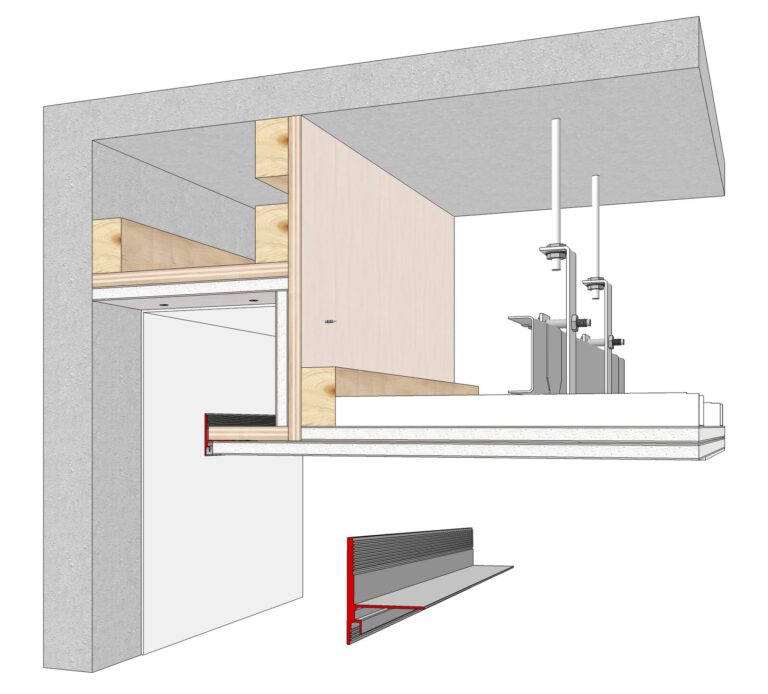
Reverse cove, straight edge
The profile sits behind the ceiling edge, so the light grazes back across the plaster and the source never enters view.
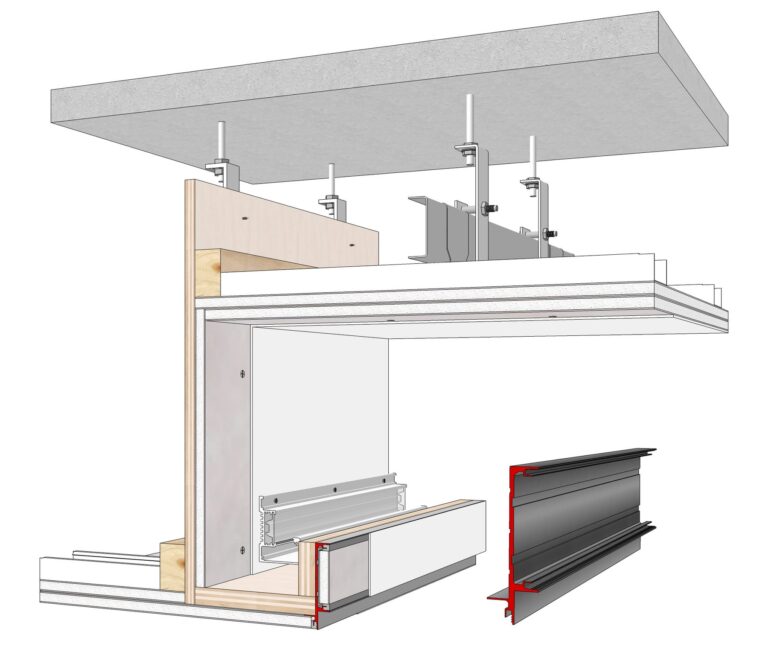
Cove line meeting an L corner
How the cove is carried around a corner without breaking the light line — the detail that decides whether a room reads as one continuous wash.
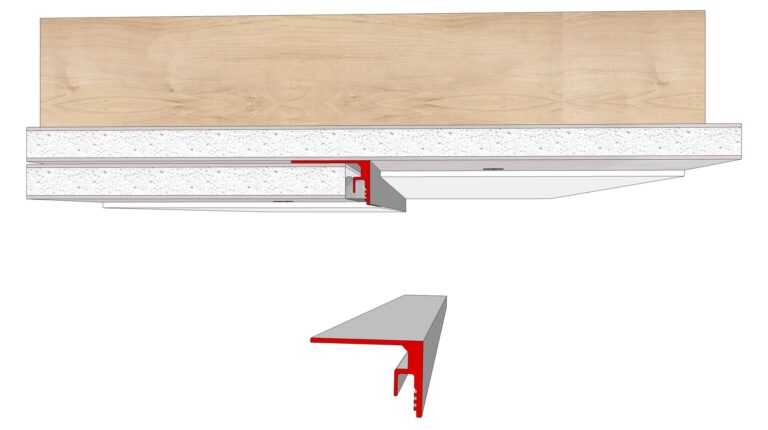
Stepped edge
For ceilings with a change of level: the profile is set into the step, which hides the body and deepens the shadow line.
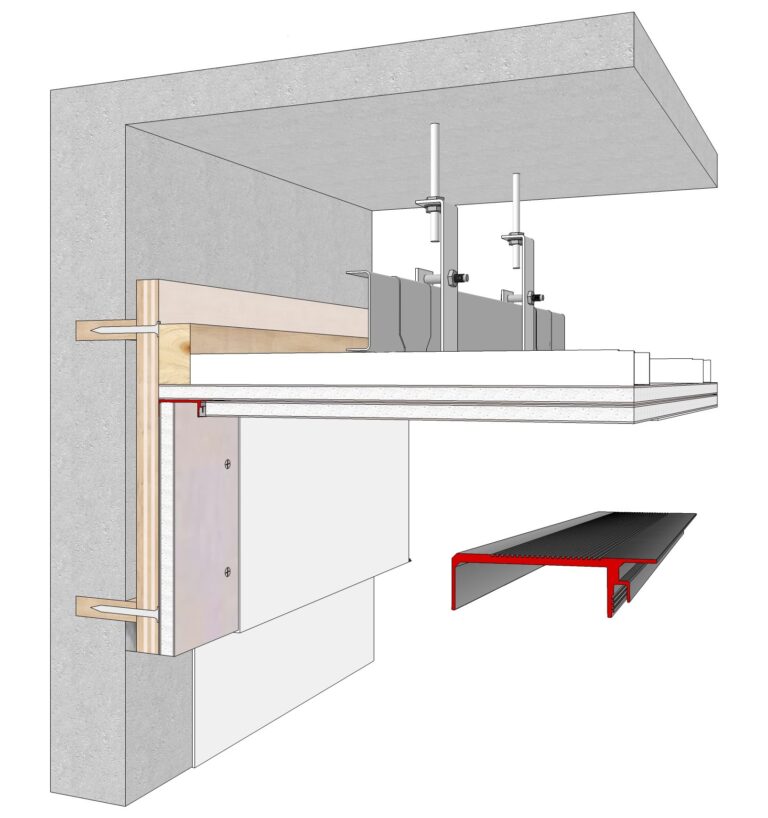
Internal corner groove
A groove worked into the ceiling itself, used where a perimeter cove will not fit the available drop.
Wie ontwerpt het onderdeel, en wat zit er achter de tekening?
De onderstaande certificaten zijn afgegeven aan Shenzhen Helian Electronics Co., Ltd. De certificaatnummers en de testnormen worden volledig vermeld, zodat u deze bij de uitgevende instantie kunt controleren voordat u een keuze maakt.
Managementsystemen
ISO 9001:2015 en ISO 14001:2015
- Certificaat
- 73025Q05190113R1S · 73025E05190046R1S
- Houder
- Shenzhen Helian Electronics Co, Ltd
- Toepassingsgebied
- Onderzoek en ontwikkeling en verkoop van LED-verlichtingsarmaturen (export)
- Uitgegeven
- 12 juni 2025 — geldig tot 16 juni 2028
- Hoofdtekst
- Shenzhen Zhonghuan International Certification Co., Ltd
CE — op het profiel zelf
LED-profiel, EMC en LVD
- EMC-certificaat.
- XDD04260780041502FDC
- EMC-norm
- EN IEC 55015 · EN IEC 61547 · EN IEC 61000-3-2 · EN 61000-3-3
- LVD-certificaat.
- XDD04260780041501FAC
- LVD-norm
- EN IEC 60598-1:2024/A11:2024
- Uitgegeven
- 15 april 2026 · BST Testing (Shenzhen)
Naleving van materiaalvoorschriften
RoHS · REACH · diffusor
- Profiel RoHS
- rapport TQT0780K01EC (IEC 62321-serie)
- 6063-aluminium
- afzonderlijke RoHS- en REACH-verklaringen
- PC-diffusor
- SGS RoHS volgens EN / IEC 62321
- PMMA-diffusor
- REACH-verklaring inzake SVHC’s
Ontwerprechten
25 octrooicertificaten
- Octrooi op een uitvinding
- intelligente regelmethode voor verlichtingsarmaturen
- Profielverlichting
- ZL 2018 2 1588485.0 · vrij toegankelijk
- Verblindingsvrije lijnverlichting
- ZL 2017 2 0569226.2
- Plafond-wandverlichting
- gebruiksmodel + modeloctrooi
- Ook
- modeloctrooien en een EU-modelregistratie
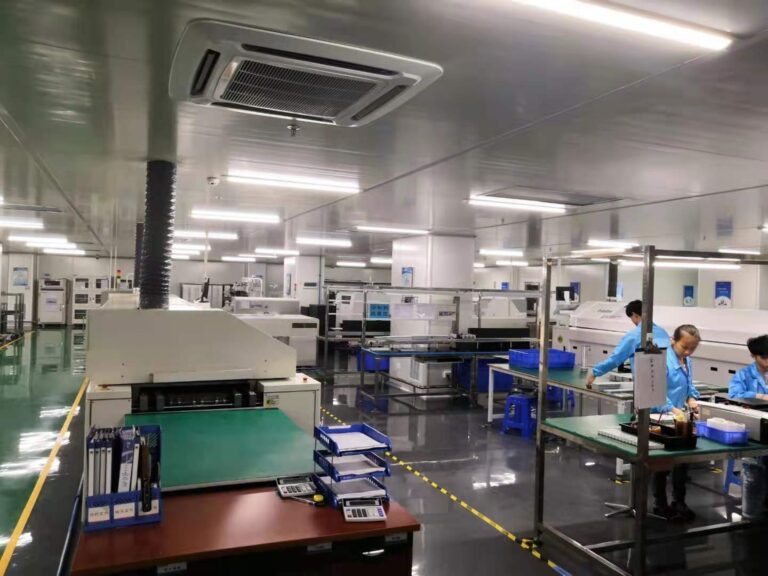
- GATE 0%d Binnenkomend materiaal Norm voor de ingangscontrole en een controleverslag per levering.
- GATE 0%d Eerste artikel Goedkeuringsformulier voor het eerste exemplaar dat wordt bewaard voordat een productieserie wordt vrijgegeven.
- GATE 0%d Veroudering en verlichting Een schriftelijke specificatie inzake rijping, plus een verslag van de rijping en het oplichten per partij.
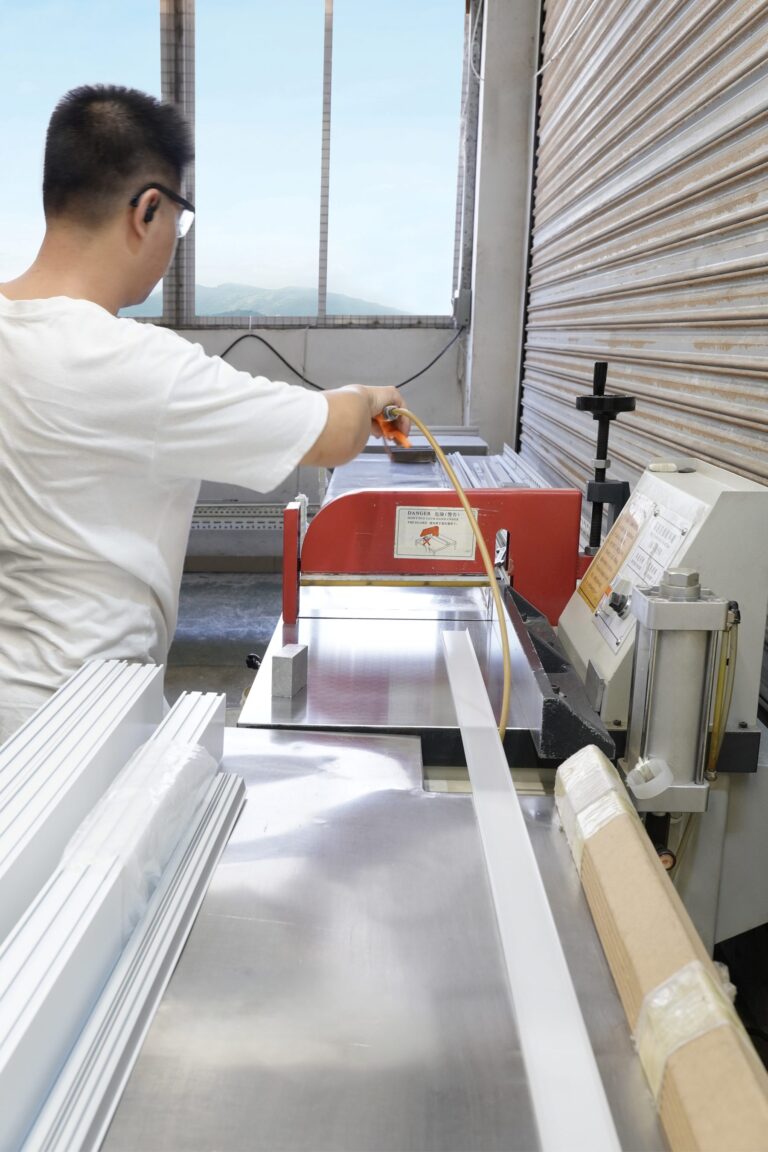
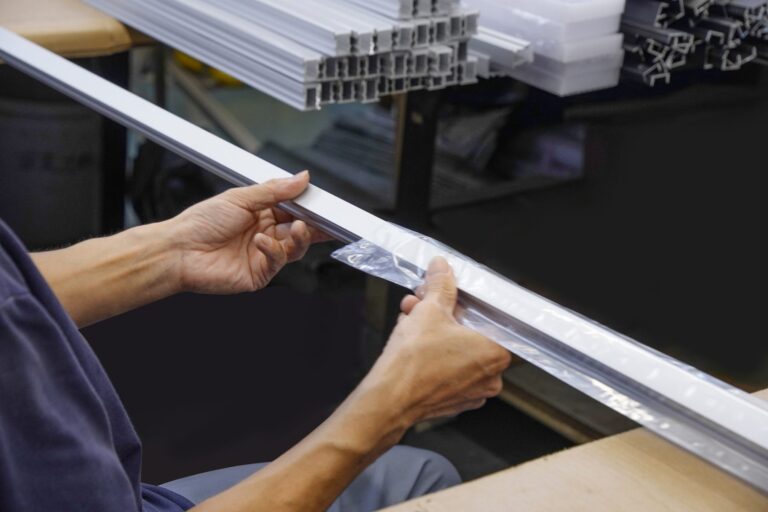
- GATE 0%d Uitgaande controle Specifieke uitgaande inspectierapporten voor het geëxtrudeerde profiel en voor de diffusor.
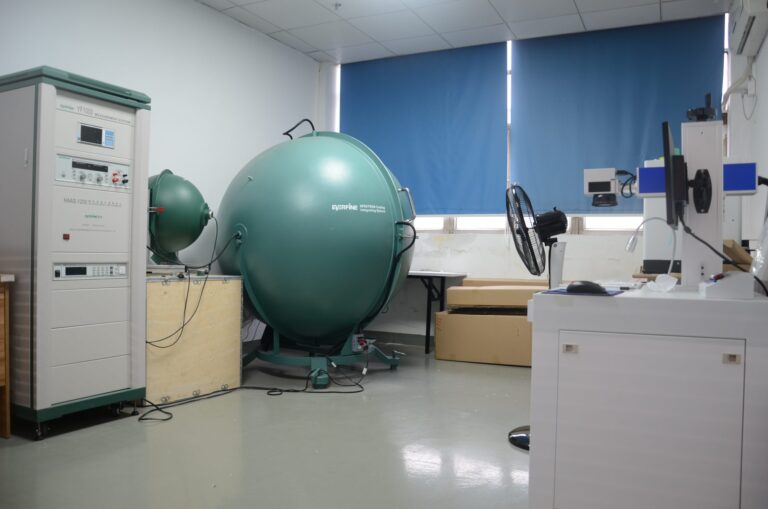

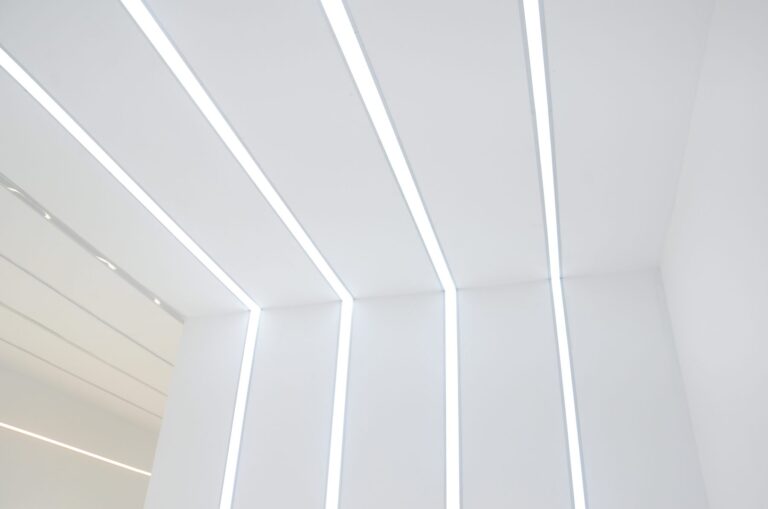
Kies de beperking die je daadwerkelijk hebt
Vier van de beslissingen die als eerste aan de orde komen, worden stuk voor stuk beantwoord aan de hand van het bovenstaande live-assortiment — op basis van de buitenhoogte, op basis van de strook die je al koopt, en op basis van de manier waarop de carrosserie moet worden bevestigd.
Ceiling profile, recessed profile, surface profile — what changes
Same material, same extrusion process. What changes is where the light goes and what stays visible.
| Detail | Ceiling / cove profile | Recessed profile | Surface profile |
|---|---|---|---|
| Where it sits | In a pocket above the ceiling plane, or recessed into the board | Flush in the plasterboard itself | Fixed against a finished surface |
| What you see | A gradient on the ceiling; the diffuser stays hidden | The diffuser, as a defined line | The whole body and the diffuser |
| Aiming | Indirect — thrown up and across the surface | Usually down, or straight out of the board | Whatever direction the body faces |
| Typical ceiling work | Perimeter coves, shadow gaps, dropped ceilings, bulkhead edges | Linear runs set into a flat ceiling | Retrofit ceilings with no pocket available |
| Serviceability | Plaster-in bodies are buried — clip and flanged bodies keep access | Depends on the flange and diffuser detail | The body stays accessible |
| In this catalogue | 20 profiles on this page | See the recessed range | See the surface range |
Wat u ons moet sturen, en wat u ervoor terugkrijgt
De meeste details met betrekking tot het plafond worden op de tekening vastgelegd, niet tijdens een telefoongesprek.
-
STAP 01
Stuur de detailtekening van het plafond
Een doorsnedetekening, een foto van het eindresultaat, of gewoon de diepte van de zak en de strook die je van plan bent te gebruiken.
-
STAP 02
We koppelen het aan een sectie
Voordat we iets nieuws voorstellen, controleren we eerst de gereedschappen die we al gebruiken — de meeste details komen overeen met een bestaand profiel.
-
STAP 03
Je snapt de tekening wel
De maatschets van het bijpassende model, met de breedte (W), hoogte (H) en de breedte van de strook die erin past, zodat u de uitsparing kunt controleren.
-
STAP 04
Eerst proberen, dan bestellen
Voordat er iets in productie gaat, worden de snijafmetingen en de afwerking getoetst aan de tekening.
Ceiling profiles — common questions
The six questions that come up most often before a cove detail is signed off.
What is the difference between a trimless and a standard recessed body?
Trimless means no flange is left showing once the plaster goes on, so the opening is the only thing you see. A standard recessed body keeps a flange that covers the cut edge. Both are in this range — the installation tag on each card says which one that model is.
Can the strip be replaced later if it fails?
Yes — the diffuser comes out and a new strip goes in, so the ceiling does not have to be opened up. How it comes out differs by body: on some it is a push fit, on others it slides from the end. The section drawing on each model shows which.
What is an LED ceiling profile?
It is an extruded aluminium channel that carries an LED strip and fixes into a ceiling — either into a pocket formed by a drop or shadow gap, or recessed into the plasterboard itself. The channel holds the strip and takes a diffuser; the pocket and the section decide how the light reads once it is up.
What is the difference between a ceiling profile and a cove profile?
Both are aluminium channels. A verzonken ceiling profile sits in the board itself, so the diffuser stays in view as a defined line. A cove channel hides in a pocket above the sight line and throws its output across the ceiling, so the strip is never visible. The choice is whether you want the source expressed or hidden.
How do I pick the right strip width?
The channel is tooled for a band of strip widths, and that number is the first hard limit. In this range the accepted strip width runs from 7 to 63 mm. Filter by the strip you already buy, then check the outer height against the pocket you can build.
Can these profiles be used in a plasterboard or false ceiling?
Most of this range is recessed, and the majority of those are plaster-in bodies — the flange is buried in the board and only the opening remains visible. The drawing for each model gives the outer dimensions the cut-out has to clear.
Do the profiles come with a diffuser and end caps?
Diffuser and accessory options differ by model. What each channel ships with is listed on its specification sheet — use the PDF button on any card above to check before you specify.
What if nothing here matches my ceiling detail?
Send us the section you are working to. We hold the tooling for the range, so matching an unusual reveal or strip width is usually a question of which existing section it maps onto. For wet or exterior ceilings, start from the waterproof range instead.
Other mounting ranges, and the guide
If the ceiling detail is not settled yet, start with the guide. If the mounting is already fixed, go straight to that range.
How coves work, what a pocket has to clear, and where a visible line of light is the better answer.
Read the guideFlush in the board, trimless or flanged — the range behind most flat-ceiling linear runs.
Recessed rangeHung from the slab on suspension, so the ceiling plane drops below it.
Suspended rangeFixed onto a finished substrate — for ceilings already closed, with no pocket available.
Surface rangeFor the junction where a ceiling meets a wall or a bulkhead.
Corner rangeWhen the reveal is fixed and nothing in the range clears it, the section can be tooled to suit.
Custom profilesVolgende stap
Send us the ceiling detail
Tell us the pocket depth, the strip you plan to use and the run length. We will come back with the section that fits and its drawing.