


How to Choose a Profile for a Bathroom or Wet Area
Bathrooms fail on condensation and cleaning chemicals, not on splashes. What the zones actually require, and why the profile is never the waterproof part.

Guides to choosing LED aluminum profiles by application, strip width, diffuser and finish — practical criteria for specifiers, contractors and installers.
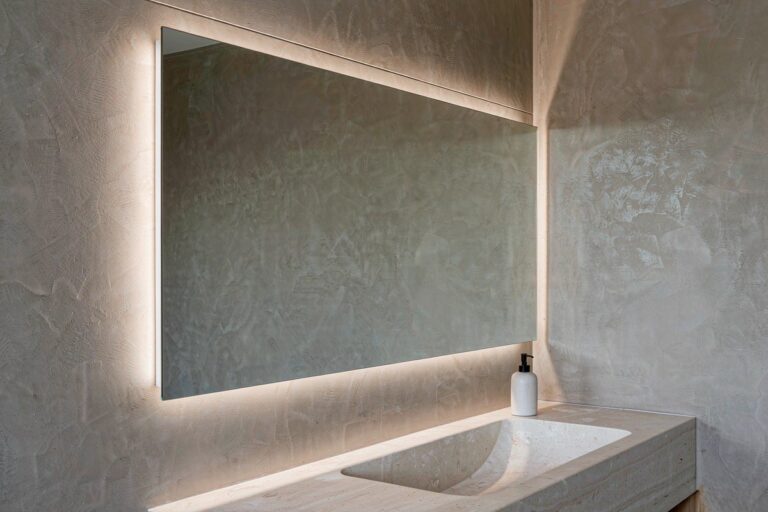
Bathrooms fail on condensation and cleaning chemicals, not on splashes. What the zones actually require, and why the profile is never the waterproof part.
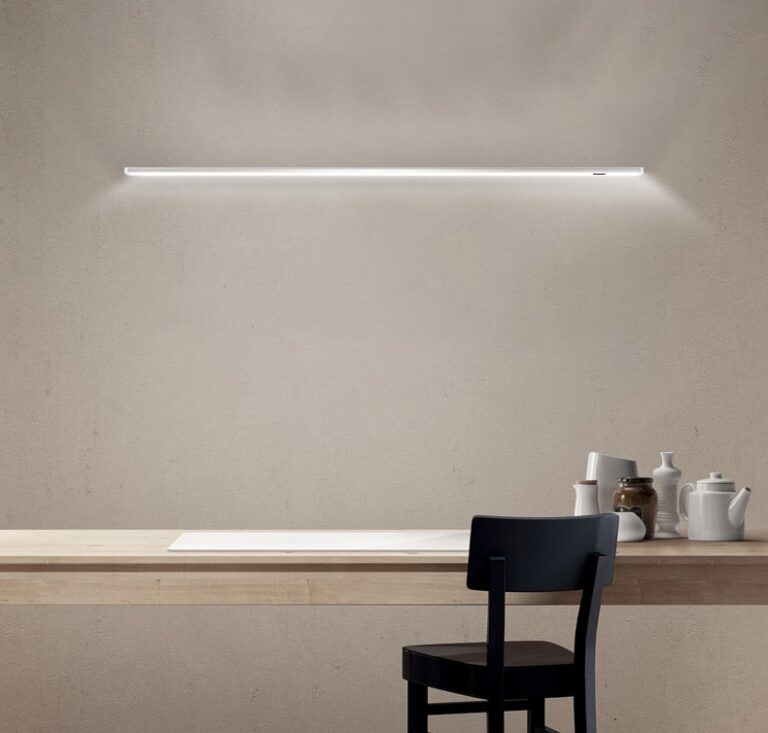
Low ceilings need a shallow body, not a narrow one. Which dimension decides it, how much a fixed profile costs you in headroom, and the 17 bodies under 10 mm.
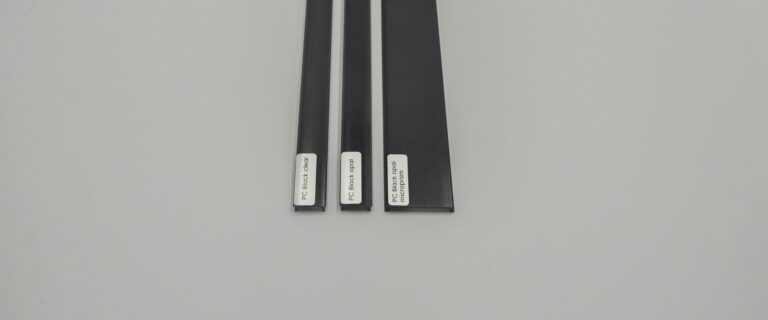
Anodized or powder-coated? Film thickness, colour range, heat and slot tolerance decide it — and the coastal answer depends on sealing, not on the process name.
The mounting method is decided by the ceiling, not the look. How recessed, surface and suspended profiles differ in finished clearance, cut-out tolerance and service access.

An aluminum profile carries no IP rating out of the box — the rating belongs to the assembled system. What IP65, IP66 and IP67 each cover, the four seals that decide it, and why most outdoor failures are not ingress failures.

PMMA for optical longevity, PC for mechanical exposure, silicone only where the cover has to bend. Compares transmission, impact, UV yellowing and fire rating, and explains why 57 of our profiles can take either cover.
Measure the strip PCB width, then pick a profile whose inner width clears it by about 2 mm. A 10 mm strip takes a 12 mm channel. Includes the real inner-width spread across 219 profiles and why outer width is not a fit dimension.
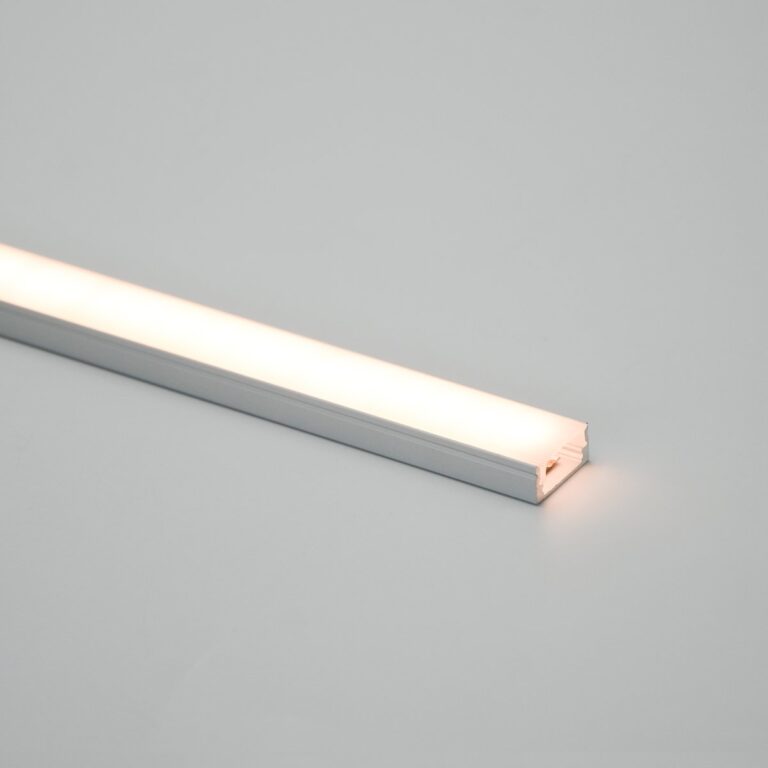
Choose an under-cabinet LED profile by strip width, mounting type and cover. Real dimensions from 6 to 21 mm inner width, with a spec table.
Ende des Inhalts
Ende des Inhalts
Angebot einholen