



Flexible LED-Profile Bendable channels for curved runs
A straight extrusion cannot follow a curve. Five bendable bodies, all plaster-in, all built around a silicone cover — for the arcs and radii that a rigid channel can only approximate.
Three decisions decide whether this detail works
The channel is only part of it. What the run looks like in service depends on what it is fixed into, the section you choose and how the output is aimed.
Made for the curve, not bent into it
A bendable body follows a radius continuously, so the light line does not facet the way a series of straight sections does.
Plaster-in, so the curve reads as plaster
All five are plaster-in bodies: the flange is buried and only the opening follows the arc.
A silicone cover rather than a rigid diffuser
Every body in this group is built with a silicone cover, which is what allows it to follow the bend without cracking.
All 5 profiles in this group
Direkt aus dem Produktkatalog – fügen Sie im Backend ein Profil hinzu, und es erscheint hier, ohne dass Sie diese Seite bearbeiten müssen.
Wähle die Einschränkung aus, die bei dir tatsächlich vorliegt
Vier der Entscheidungen, die als Erstes anfallen, werden jeweils anhand der obigen Auswahlmöglichkeiten beantwortet – nach Außenhöhe, nach dem bereits gekauften Streifen und danach, wie der Korpus befestigt werden muss.
How to narrow this range down to one body
Three numbers decide it, in this order. Every figure below is this group, not the whole catalogue.
The minimum radius is a property of the body, not of the installation. Give us the radius you need and we will say which body reaches it.
This group accepts 9–20 mm strip.
Plaster-in bodies are set out before the board goes on, so this decision has to be made at drawing stage, not on site.
Vier Möglichkeiten, wie sich dieser Herd an der Decke befestigen lässt
Gruppiert nach der Art der Montage. Die Zahlen werden aus dem Katalogindex aktualisiert; jede Gruppe enthält einen Link zur vollständigen Seite mit den Montageanleitungen.
Wer erstellt den Abschnitt, und was steckt hinter der Zeichnung?
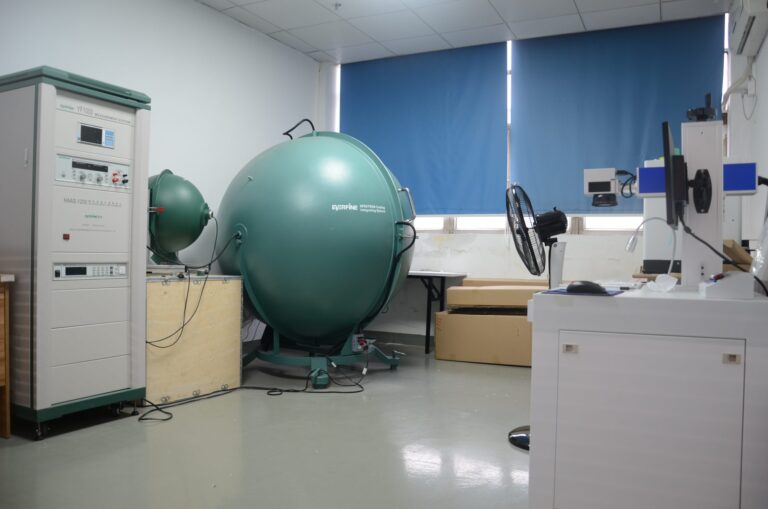
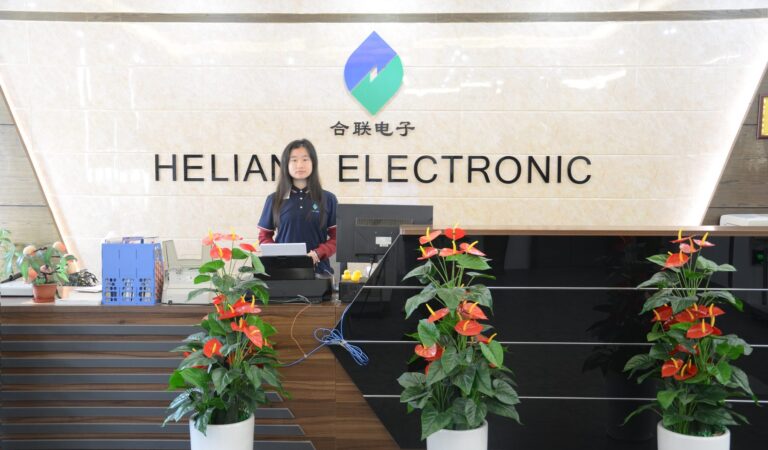
Die nachstehend aufgeführten Zertifikate wurden an die Shenzhen Helian Electronics Co., Ltd. ausgestellt. Die Zertifikatsnummern und die Prüfnormen sind vollständig angegeben, sodass Sie jede davon vor Ihrer Bestellung bei der ausstellenden Stelle überprüfen können.
Managementsysteme
ISO 9001:2015 und ISO 14001:2015
- Zertifikat
- 73025Q05190113R1S · 73025E05190046R1S
- Halter
- Shenzhen Helian Electronics Co, Ltd
- Geltungsbereich
- Forschung und Entwicklung sowie Vertrieb von LED-Leuchten (Export)
- Ausgestellt
- 12. Juni 2025 – gültig bis zum 16. Juni 2028
- Hauptteil
- Shenzhen Zhonghuan International Certification Co., Ltd.
CE – auf dem Profil selbst
LED-Profil, EMV und LVD
- EMV-Zertifikat.
- XDD04260780041502FDC
- EMV-Norm
- EN IEC 55015 · EN IEC 61547 · EN IEC 61000-3-2 · EN 61000-3-3
- LVD-Zertifikat.
- XDD04260780041501FAC
- LVD-Norm
- EN IEC 60598-1:2024/A11:2024
- Ausgestellt
- 15. April 2026 · BST Testing (Shenzhen)
Einhaltung der Materialvorschriften
RoHS · REACH · Diffusor
- RoHS-Profil
- Bericht TQT0780K01EC (IEC-62321-Reihe)
- Aluminium 6063
- separate RoHS- und REACH-Erklärungen
- PC-Diffusor
- SGS RoHS gemäß EN / IEC 62321
- PMMA-Diffusor
- REACH-Erklärung zu besonders besorgniserregenden Stoffen (SVHC)
Geschmacksmusterrechte
25 Patenturkunden
- Erfindungspatent
- Intelligentes Steuerungsverfahren für Leuchten
- Profil-Lichtleiste
- ZL 2018 2 1588485.0 · freie Mitgliedschaft
- Blendfreies Linienlicht
- ZL 2017 2 0569226.2
- Decken-Wandfluter
- Gebrauchsmuster + Geschmacksmuster
- Außerdem
- Geschmacksmuster und eine EU-Geschmacksmustereintragung
- GATE 0%d Eingehendes Material Norm für die Wareneingangskontrolle und ein Wareneingangsprotokoll pro Lieferung.
- GATE 0%d Erster Artikel Freigabeblatt für das Erstmuster, das vor der Freigabe einer Serie vorgelegt wird.
- GATE 0%d Alterung & Beleuchtung Eine schriftliche Alterungsspezifikation sowie ein Protokoll über die Alterung der Charge und die Inbetriebnahme.
- GATE 0%d Ausgangskontrolle Spezielle Ausgangskontrollberichte für das stranggepresste Profil und für den Diffusor.
Was Sie uns schicken sollen und was Sie dafür erhalten
Die meisten Details zur Decke werden in der Zeichnung festgelegt, nicht am Telefon.
-
SCHRITT 01
Senden Sie die Deckenzeichnung
Eine Schnittskizze, ein Foto der Freilegung oder einfach nur die Taschentiefe und der Streifen, den Sie verwenden möchten.
-
SCHRITT 02
Wir ordnen es einem Abschnitt zu
Bevor wir etwas Neues vorschlagen, prüfen wir zunächst die bereits eingesetzten Werkzeuge – die meisten Details lassen sich einem bestehenden Profil zuordnen.
-
SCHRITT 03
Du bekommst die Zeichnung
Die Maßzeichnung für das passende Modell mit den Maßen W, H und der zulässigen Streifenbreite, damit Sie den Ausschnitt überprüfen können.
-
SCHRITT 04
Erst probieren, dann bestellen
Die Schnittlängen und die Endbearbeitung werden anhand der Zeichnung überprüft, bevor die Produktion beginnt.
What buyers ask before specifying this group
The questions that come up most often before a run is signed off.
How tight a radius can it take?
That is specific to each body and is stated on its datasheet — it is not a single figure for the group. Send us the radius and we will match it to the section.
Why silicone rather than a normal diffuser?
A rigid diffuser does not survive being bent. All five bodies in this group are built with a silicone cover for that reason.
Can it be used on a straight run too?
Yes. The bodies can be run straight; they are simply the ones that also bend.
Is it plaster-in only?
In this range, yes. All five are plaster-in bodies, so the flange is buried in the board.
What about a curve in the other plane?
Bend direction is a property of the profile. Tell us which way the curve turns relative to the opening and we will confirm the body.
What determines the minimum bend radius?
The body and the cover together — it is not one figure for the whole group. Give us the radius your detail needs and we will say which body reaches it. Set the radius before the board goes on, because plaster-in bodies are fixed at first fix.
Which way does the bend run?
Top bend and side bend are different bodies: one curves up and down, the other left and right. Tell us which way the curve turns relative to the opening and we will confirm which body it is.
Other ranges you may need on the same job
Most projects use more than one body. These are the ranges next to this one, plus the four mounting ranges.
Another range that often appears on the same drawing.
See the rangeAnother range that often appears on the same drawing.
See the rangeAnother range that often appears on the same drawing.
See the rangeAnother range that often appears on the same drawing.
See the rangeAnother range that often appears on the same drawing.
See the rangeAnother range that often appears on the same drawing.
See the rangeFlush in the board, trimless or flanged.
See the rangeHung from the slab on suspension.
See the rangeFixed onto a finished substrate.
See the rangeFor the junction where two surfaces meet.
See the rangeNächster Schritt
Send us the detail
Tell us where the run goes, the strip you plan to use and the length. We will come back with the section that fits and its drawing.