


Note: To ensure and accuracy, this article follows the content creation and review process of the Helian Expert Team.
Commercial lighting refers to professional lighting planning and implementation for various commercial scenarios—retail stores, office buildings, hotels, restaurants, shopping malls, etc.
It’s not just illuminating spaces with fixtures, but achieving three core goals:
- Meet basic spatial functional needs (e.g., glare-free, high uniformity for offices);
- Create suitable atmospheres to influence customers’ moods and purchasing decisions;
- Help businesses control costs and enhance commercial value.
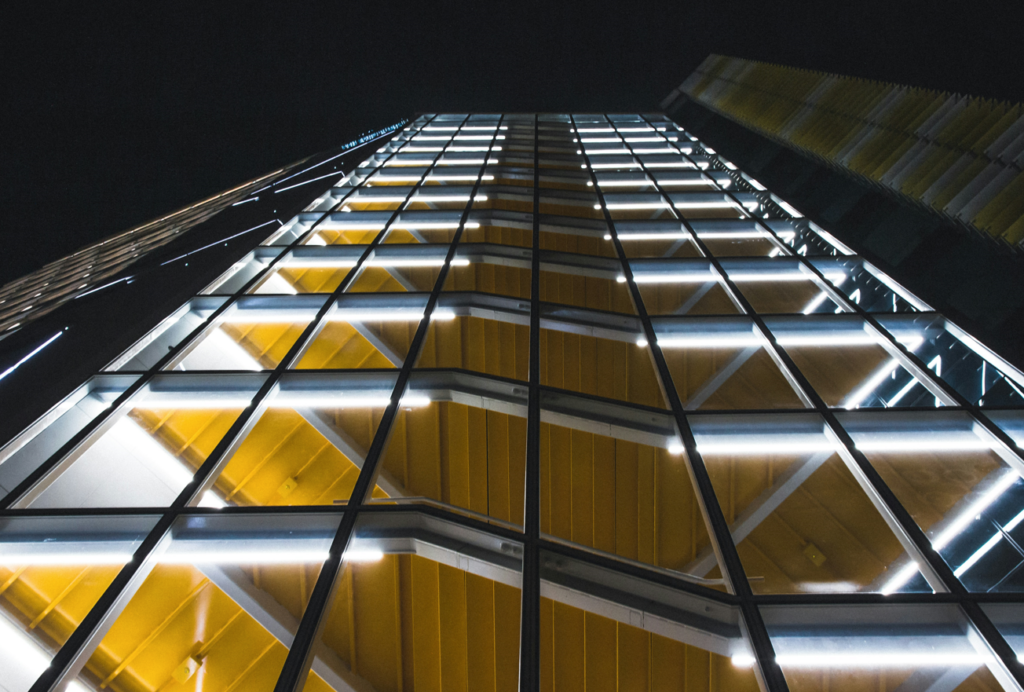
Commercial Lighting: Key Terms & Concepts You Must Know
Key Metrics Explained
Commercial vs. Residential Lighting
| Dimension | Commercial Lighting | Residential Lighting | Key Reason for Difference |
| Core Objective | Achieve business goals: enhance productivity, boost sales, ensure safety, shape brand image. | Fulfill personal comfort: create a cozy, relaxing home atmosphere. | Different fundamental purposes drive distinct design priorities. |
| Usage Intensity | High intensity, long hours: 12-24 hours daily, year-round operation. | Medium-low intensity, intermittent use: Used on demand for shorter periods. | Operational demands dictate requirements for durability and efficiency. |
| Regulations & Standards | Stringent: Must comply with building, fire, energy, and safety codes. | Relatively lenient: Primarily based on personal preference and basic safety standards. | Public safety and large-scale energy consumption are greater concerns in commercial settings. |
| Product Requirements | High durability, easy maintenance: Robust materials, long lifespan, modular design for quick replacement. | Focus on aesthetics, cost: Diverse designs, moderate lifespan requirements. | Cost of failure and maintenance downtime is much higher in commercial applications. |
| Design Complexity | Systematic, professional: Requires specialized design, calculations, and often integrates smart controls. | Personalized, simplified: Focuses on decor and basic functionality. | Scale, integration with building systems, and need for measurable outcomes necessitate professional involvement. |
A Space-by-Space Guide: Optimal Lighting Strategies for Retail, Office, Warehouse & Hospitality
Retail Store Lighting
Core Objective customers, highlight product features and value, create a pleasant shopping experience, and drive sales.Window Displays are Key Ads: Use high-brightness, high-contrast, dynamic lighting to attract street traffic. Scene controllers can change settings periodically.
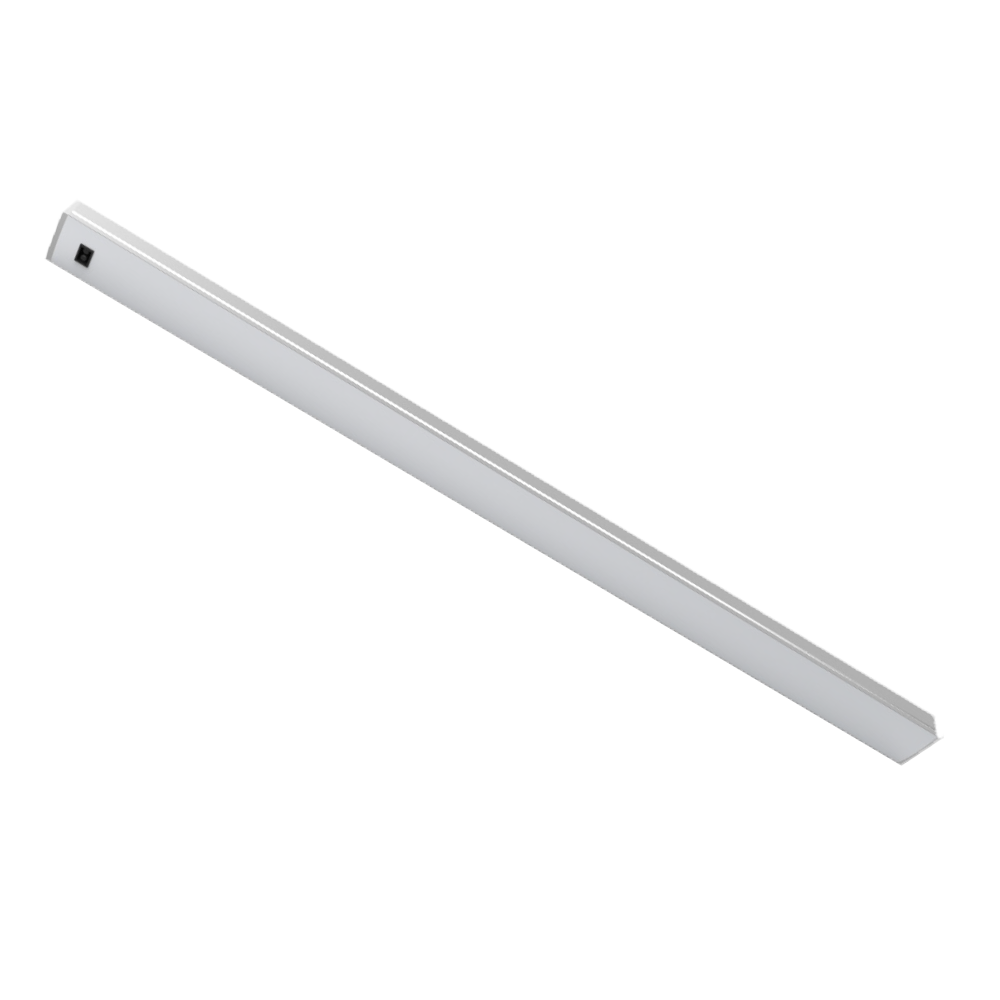
Recommended Products
- LED Track Spotlights: Flexible and adjustable, ideal for accent lighting.
- Recessed LED Downlights: Provide uniform wall-washing or general lighting.
- Magnetic Track Systems: Modular design allows for easy addition, reduction, and repositioning of lights without rewiring.
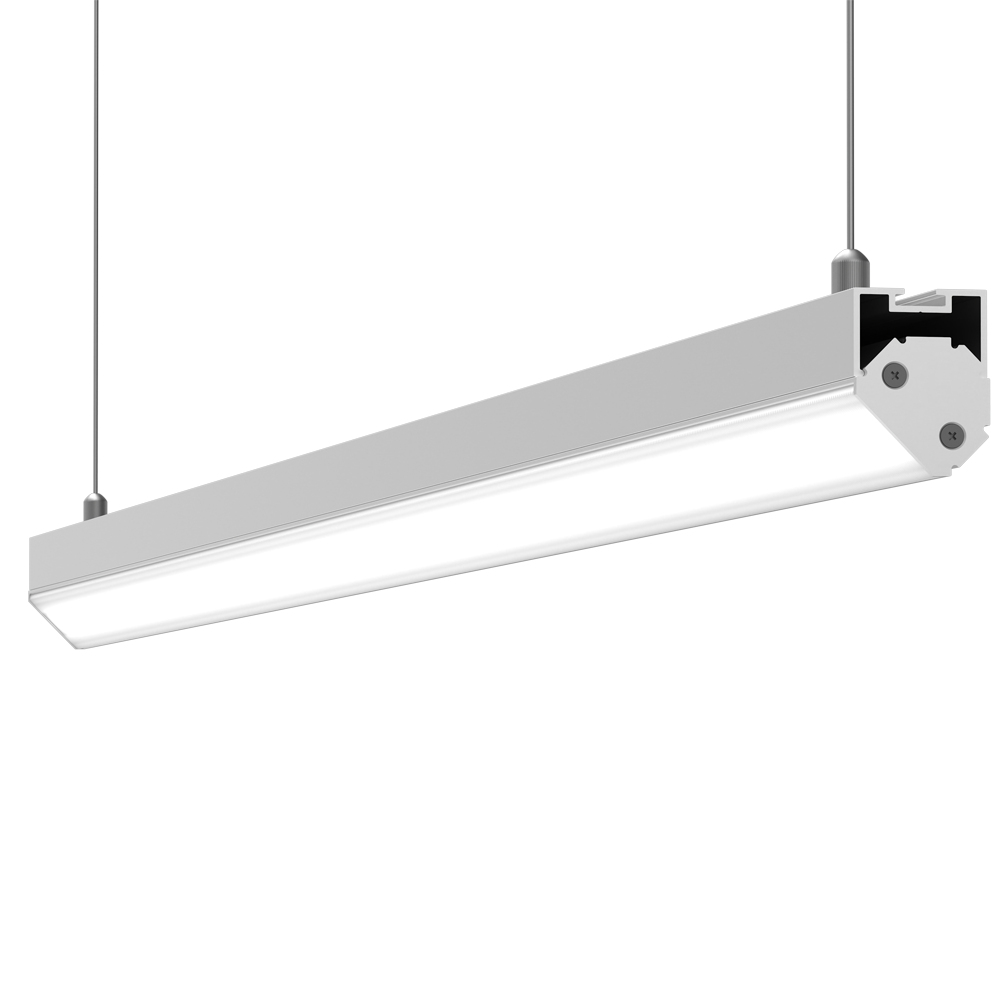
Recommended Products
- LED Panel Lights: Provide soft, uniform light, ideal for general ambient lighting.
- Anti-Glare Grid Ceiling Lights: Effectively control glare, suitable for open-plan offices requiring high concentration.
- LED Linear Strips: Can be used for indirect lighting, spatial outlining, or as task lighting supplement.
Office Lighting
Core Objective Reduce eye strain and screen glare, maintain employee focus and comfort, enhance productivity and well-being.Industrial & Warehouse Lighting
Core Objective Ensure operational safety, provide sufficient and uniform vertical illuminance, meet durability demands in harsh environments, and achieve minimal long-term maintenance and energy costs.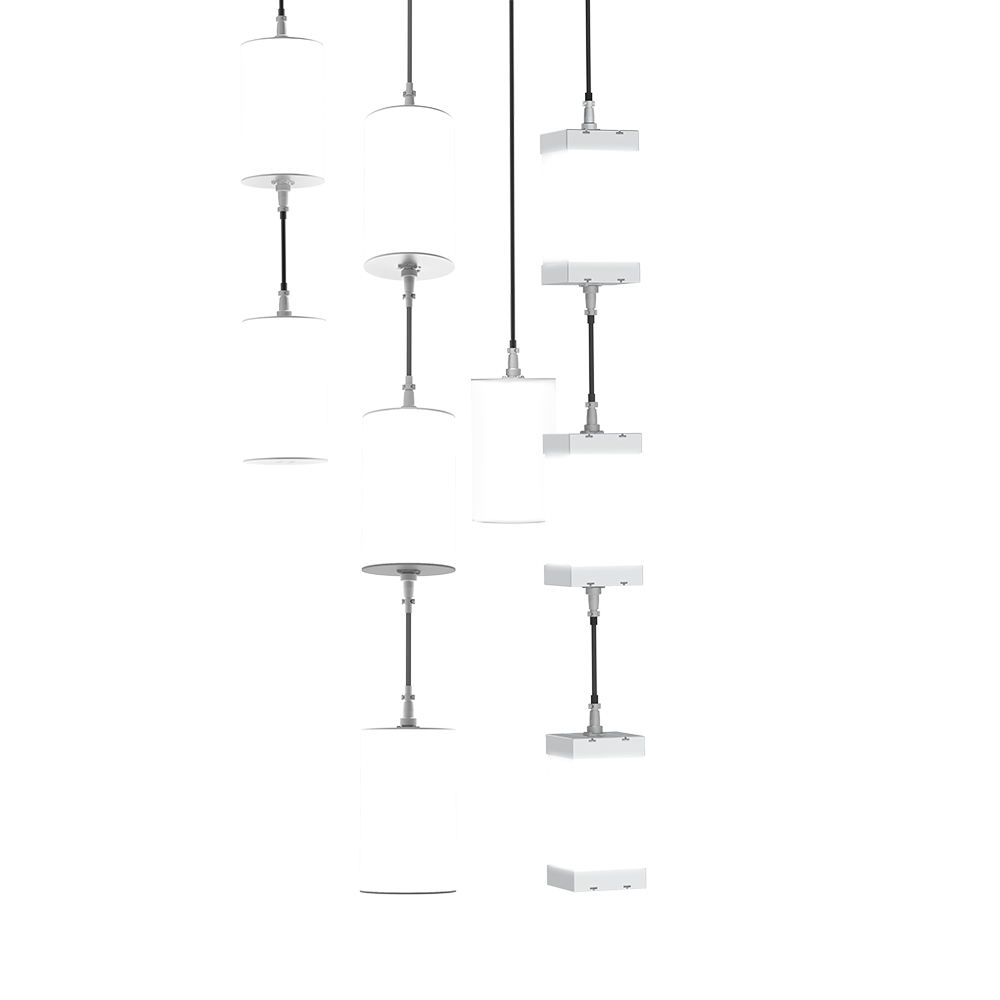
Recommended Products
- LED High Bay Lights: Designed for ceilings >6m, high efficacy with precise light distribution to reduce fixture count.
- LED Industrial Flood Lights: Rugged construction for workshops and logistics areas with medium ceiling height, easy to maintain.
- Smart Sensing Kits: Include microwave radar sensors for seamless integration into lighting systems.
Recommended Products
- Tunable-White LED Spotlights/Pendants: For tables and accent areas, adaptable to scene changes.
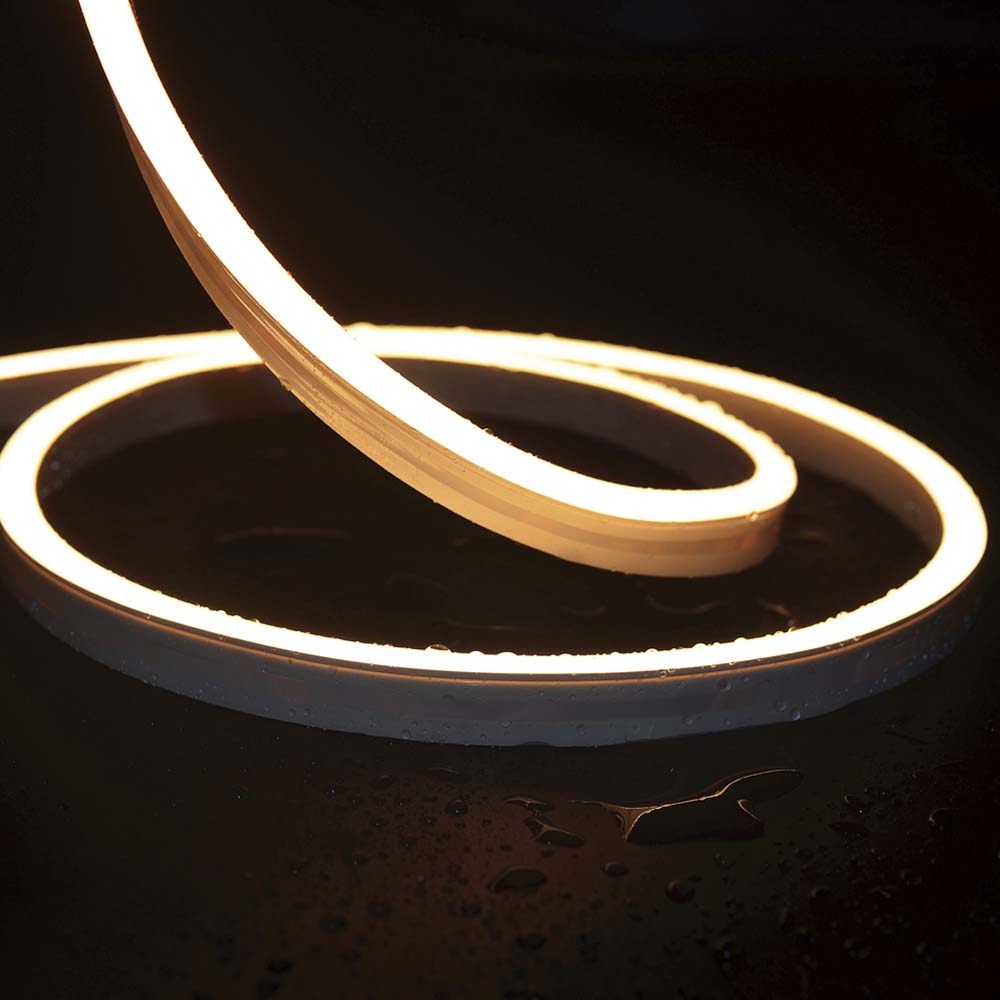
- Decorative Linear Strips & Wall Lights: For creating indirect lighting accents and decorative effects.
- Smart Dimming Scene Panels: Enable one-touch switching between pre-set lighting modes.
Restaurant & Hotel Lighting
Core Objective Create a unique atmosphere that aligns perfectly with brand positioning, shaping spatial mood through light to enhance guest experience and satisfaction.Commercial lighting is more than just illumination—it’s a strategic tool for achieving business goals. Whether boosting retail sales, ensuring office productivity, maintaining warehouse safety, or crafting hotel ambiance, precise lighting directly impacts experience, cost, and brand identity.