


The Ultimate Guide to Commercial Lighting Fixtures
In commercial space design, lighting is never an afterthought of “illuminating an area”—it’s a critical variable that shapes employee productivity, operational costs, and brand premium.
Have you ever faced these scenarios?
Employees lose focus in the afternoon, feel fatigued easily, and make frequent mistakes in important tasks? Harsh or dim lighting makes high-end stores look cheap, prompting customers to rush away? Monthly electricity bills remain sky-high, with half the energy wasted on “ill-suited lighting”? These issues all stem from a mismatch between lighting strategies and on-site needs.

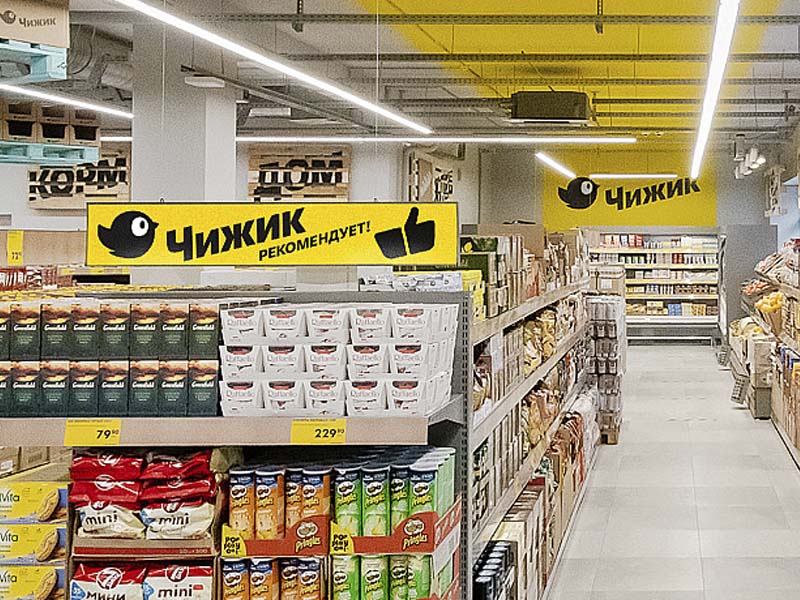
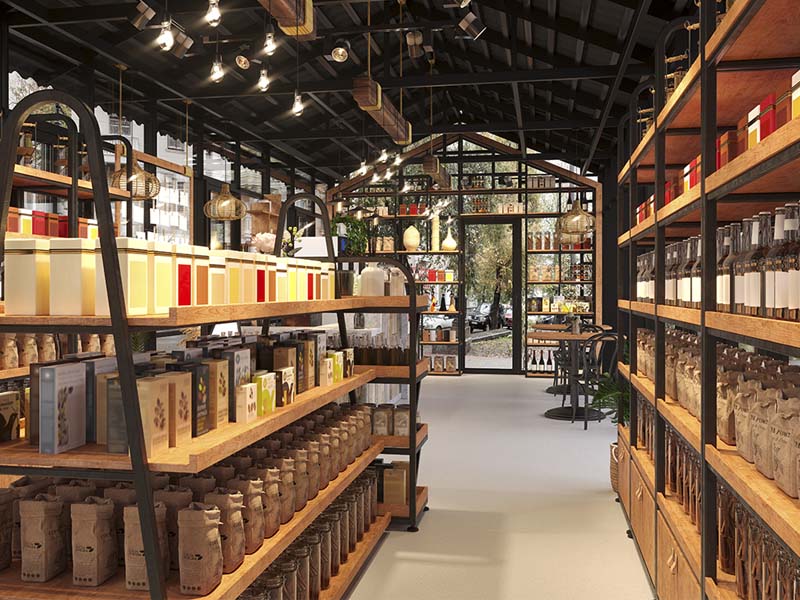
Tailored for commercial space decision-makers, this guide walks you through the entire process from selection to implementation with Helian’s lighting experts: scientific fixture matching, cutting-edge solutions, and cost-saving strategies (demand-based dimming, energy-efficient fixture choices). Avoid 90% of common pitfalls and make informed decisions.
The Core Value of Commercial Lighting
The primary goals of commercial lighting solutions are reliability, energy efficiency, and the creation of a healthy, productive lit environment. This goes beyond basic illumination; it’s about using light to enhance productivity, ensure safety, and shape brand identity. Further Reading: Why Is Commercial Lighting So Important?
- Lighting in commercial spaces is not merely about “illuminating the area”; it must align with human physiological rhythms to reduce fatigue and enhance focus.
- Light serves as a “silent marketing tool,” conveying brand identity and guiding consumer behavior through the interplay of color temperature, brightness, and beam angles.
- Commercial lighting accounts for 20%-30% of a building’s total energy consumption. By implementing energy-saving technologies and intelligent controls, it can directly reduce electricity bills and operational costs.
- Commercial lighting must comply with industry safety standards and regulatory requirements. This not only prevents accidents but also ensures lawful business operations.
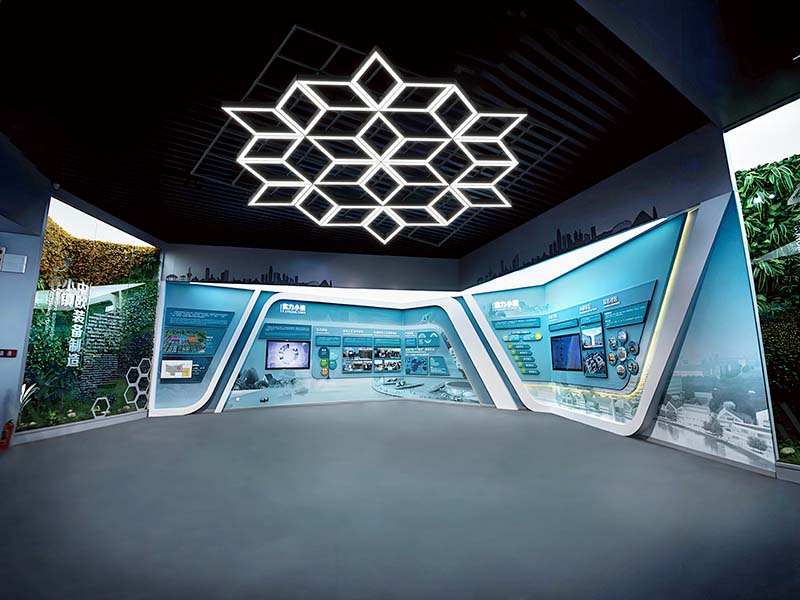
Main Types of Commercial Lighting & Their Applications
Classification by Installation Method
This categorization focuses on how fixtures integrate with the building structure, directly impacting space aesthetics, perception of height, and maintenance accessibility. Click to view all Helian commercial lighting fixtures.
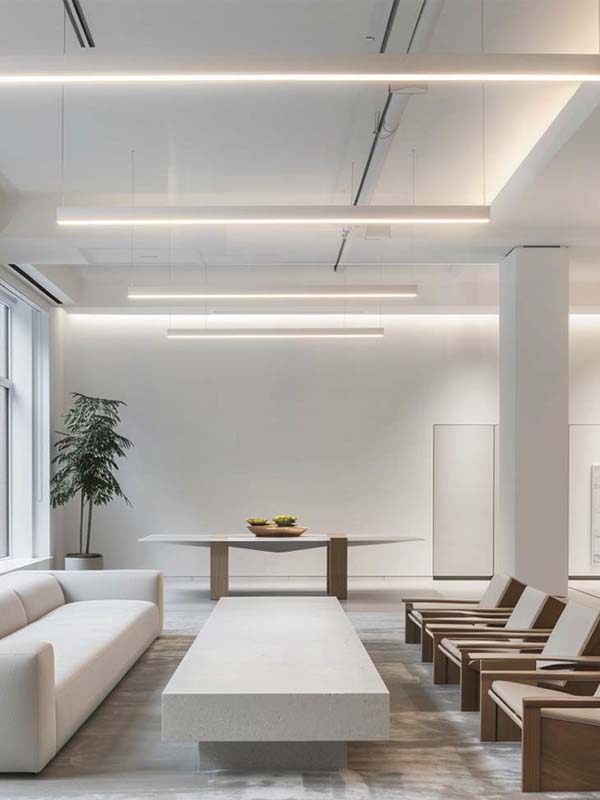
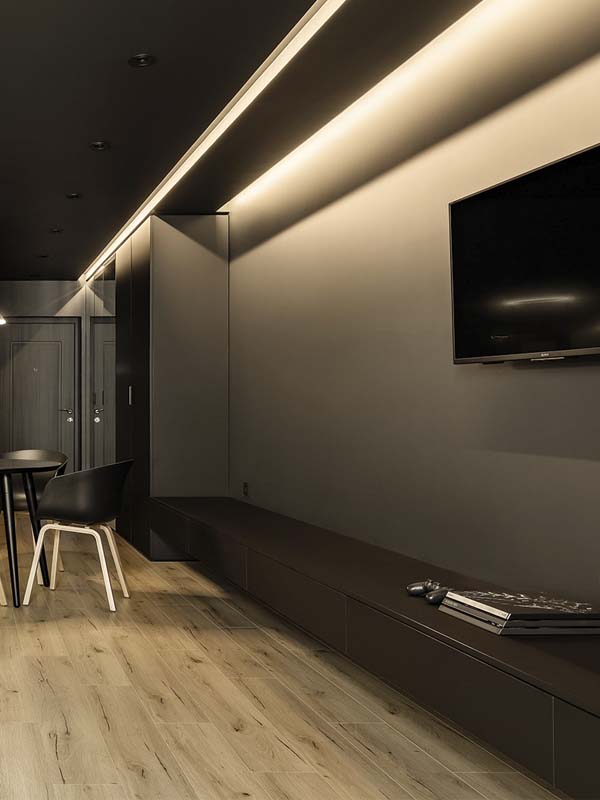
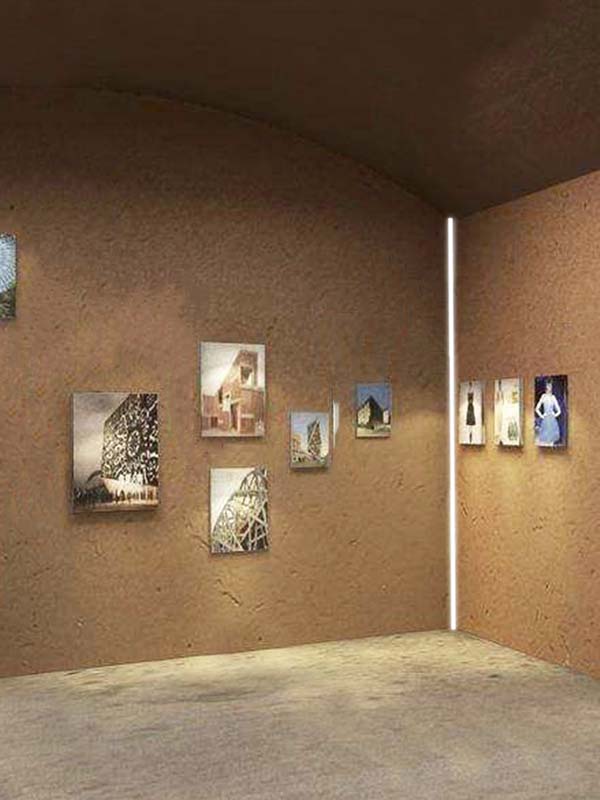
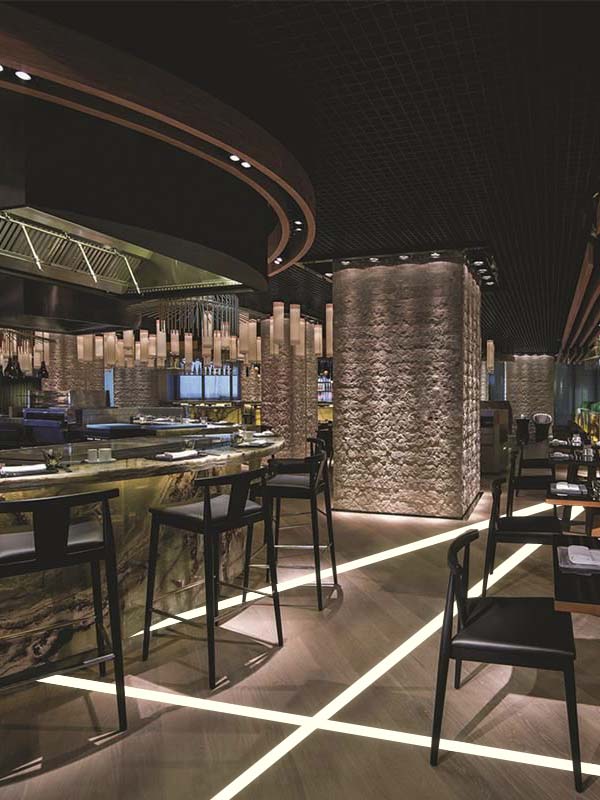
Categorized by application scenarios
| Lighting Type | Key Characteristics | Ideal Application Scenarios |
| Office Lighting | Focus on uniformity, glare-free light, often integrated with smart dimming systems to promote employee well-being and efficiency. | Open-plan offices, meeting rooms, executive offices |
| Industrial & Warehouse Lighting | High brightness, durability, dust and water resistance, significantly reducing maintenance costs. | Factories, warehouses, logistics centers |
| Commercial Accent Lighting | High Color Rendering Index (CRI), precise beam control, highlights product features. | Retail stores, museums, showrooms |
| Common Area Lighting | Simple design, high reliability, often integrated with architectural structures. | Lobbies, hallways, elevator lobbies |
| Outdoor & Architectural Lighting | Withstands harsh weather conditions, balances safety with architectural aesthetics. | Building facades, parking lots, campus pathways |
Classification by Function: Ambient, Task, Accent, Decorative
This categorization is based on the role lighting plays in a space, core to the lighting design philosophy of “layering,” aiming to balance functionality and artistry.
| Function | Definition | Design Goal | Implementation |
| Ambient Lighting (General Lighting) | Provides uniform, foundational illumination for an entire space, ensuring basic visual needs and safety. | Glare-free, without harsh shadows, creating a comfortable, relaxed background light environment. | Typically achieved through ceiling-mounted lights, recessed downlights, pendant lights, or evenly distributed fixture arrays. |
| Task Lighting | Provides concentrated, brighter light for specific visual tasks, meeting the illuminance requirements for detailed work. | High illuminance, low glare, focused light. Requires careful planning of placement and shielding to avoid distracting shadows or reflective glare on the work surface. | Desk lamps, work lamps, floor lamps, under-cabinet kitchen lighting, surgical lights, precision instrument lighting. |
| Accent Lighting | Used to highlight specific objects, areas, or architectural details, such as artwork, exhibits, wall textures, or window displays. | Creates visual focal points and dramatic effects. Typically requires 3-5 times the brightness of ambient light to attract attention through contrast. | Track spotlights, adjustable recessed downlights, wall washers, in-ground uplights. |
| Decorative Lighting | The fixture itself serves as a decorative element or art installation, where its aesthetic design value often outweighs its functional light output. | Expresses spatial style, brand personality, or creates a specific mood. A key tool for interior designers to reinforce design themes. | Pendant lights with unique shapes, crystal chandeliers, creative wall sconces, LED strips outlining contours. |
Finding the Right Fixture for Your Space
The table above provides a high-level overview. To make the best choice, it’s important to understand the specific products that fall under each category. Modern commercial lighting is dominated by LED technology due to its efficiency, longevity, and performance.
A. The Foundation: LED Commercial LightingAt the heart of any modern system are commercial led lighting fixtures. This broad category includes all energy-efficient LED-based lights designed for business use. Key product families include:
- Commercial LED Fixtures: The general term for versatile, all-purpose LED lights.
- Commercial LED Ceiling Lights: A popular sub-category encompassing panels, troffers, and downlights for offices, hallways, and retail spaces.
- Commercial LED Lights Indoor: Solutions specifically engineered for interior environments, focusing on visual comfort and aesthetics.
Beyond the basic technology, fixtures are designed for specific applications:
- For Durability & High Output: Industrial light fixtures led are built to withstand harsh conditions in factories and warehouses.
- For Visual Impact & Focus: Commercial spotlight and Commercial accent lighting are used to draw attention to products or architectural features.
- For Modern Aesthetics: Modern commercial light fixtures focus on sleek designs that complement contemporary architecture and interior design.
The essence of professional commercial lighting design lies in the systematic coordination of various lighting components.
This goes beyond merely stacking products—it requires precise planning of LED light sources, their installation framework, optical structure, and intelligent control to build a solution.
For example: The combined use of LED profiles, LED fixtures, LED strips, LED covers, and accessories.
The ultimate aim is to create an overall lighting environment that not only meets basic illumination requirements but also elevates spatial experience and enhances commercial value.
Core Commercial Space Lighting Needs Analysis
Effective commercial lighting design begins with a deep understanding of the space’s function. The core tasks, occupant activities, and visual demands vary drastically across sectors, necessitating a “tailor-made” lighting strategy.
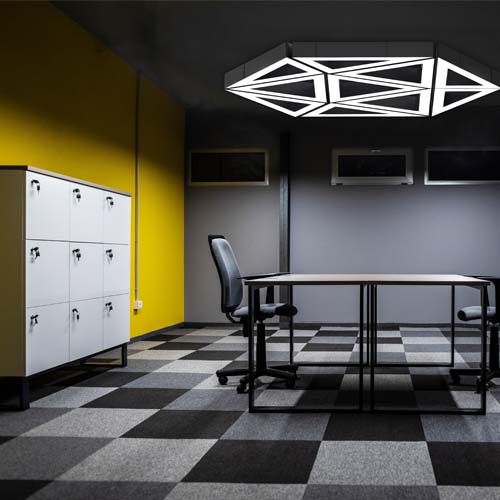
Office Lighting: Focus, Collaboration, and Comfort
Modern office lighting has evolved beyond mere illumination to support occupant health, well-being, and productivity. Its core lies in balancing visual comfort with functional needs.
Design Goals:- Reduce visual fatigue and enhance concentration by providing uniform, glare-free ambient light.
- Support diverse work modes, flexibly adapting to individual focus, team collaboration, and meetings.
- Regulate circadian rhythms by using tunable white light to mimic natural daylight, stabilizing mood and sleep cycles.

Key Considerations:
Unified Glare Rating, vertical surface illuminance, flicker and blue light hazard ratings, integration capability with smart control systems.
- Open office area: Use primarily indirect lighting (e.g., coves, luminous ceilings) combined with direct lighting (glare-free recessed LED panels or downlights). Ensure desktop illuminance meets standards (typically 300-500 lux) with strict UGR control. Integrate occupancy and daylight sensors for demand-driven lighting, potentially improving energy use intensity by up to 18.3%.
- Meeting room: Implement multiple lighting scenes. “Meeting” mode requires high illuminance and CRI for clarity; “Presentation” mode dims ambient light to focus on screens; “Brainstorming” mode can use a dynamic CCT to stimulate creativity.
- Manager’s Office / Focus Workspace: Combine decorative ambient lighting (to reflect taste) with high-quality, dimmable task lighting (e.g., desk lamps), giving occupants full control to create a tranquil, private atmosphere.
Retail Lighting: Guidance, Attraction, and Sales
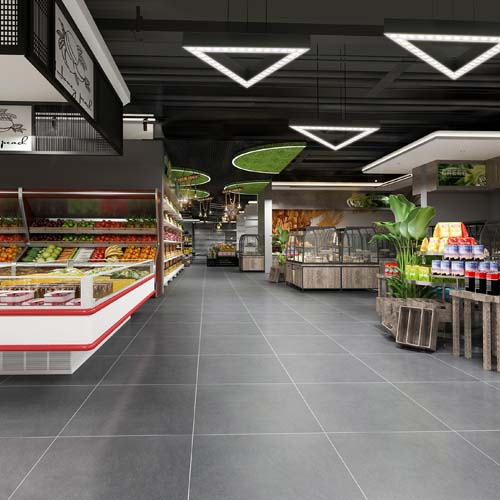
Retail lighting is a silent salesperson. Its ultimate goal is to shape brand identity, guide traffic, and, most importantly, highlight product qualities to stimulate purchase desire.
Design Goals:- Create compelling visual focal points by using strong contrast to precisely direct customer gaze to merchandise.
- Accurately render product color and texture. High CRI is fundamental; specific spectrums are needed for different goods (e.g., apparel, jewelry, food).
- Create a comfortable exploration environment. Ambient light should avoid being dim or flat, ensuring customers feel safe and relaxed while moving through the store.
Key Considerations:
Illuminance ratio between accent and ambient light, optimal CCT/CRI for different zones (e.g., high R9 for fresh food), day/night modes for window displays, fixture design alignment with store style.
- Ambient lighting: Provides foundational, uniform background light, typically at low illuminance and with a CCT consistent with the brand. Achieved with recessed downlights, wall-washing track lights, or indirect lighting.
- Accent lighting: The soul of retail lighting. Uses narrow-beam track spots, adjustable recessed lights to precisely “sculpt” merchandise with 3-5 times the ambient illuminance, highlighting form, sheen, or texture.
- Decorative/ambient lighting: Such as linear LED strips, decorative pendants, used to outline shelves, reinforce visual paths, or add artistry to enhance brand recall.
Industrial & Warehouse Lighting: Safety, Precision, and Efficiency
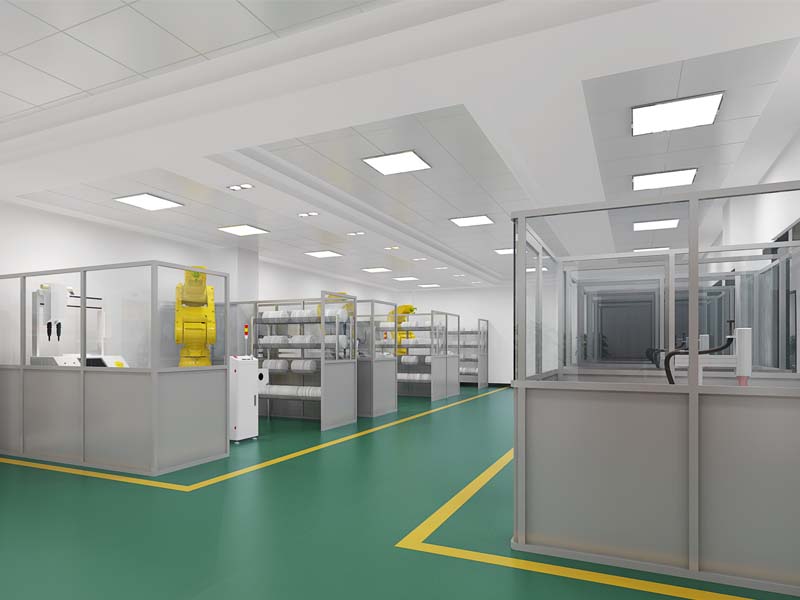
The primary goal of industrial lighting is to ensure personal and operational safety, followed by providing reliable visual conditions for high-precision tasks, all while maximizing energy efficiency.
Design Goals:- Eliminate hazardous shadows and ensure area-wide safety by providing uniform, sufficient general lighting to avoid dark zones behind racks and machinery.
- Support detailed visual tasks by providing local high-illuminance, flicker-free lighting at inspection, packing, and assembly stations.
- Maximize system reliability and minimize maintenance by selecting long-life, rugged products suited for harsh environments (vibration, dust, temperature/humidity swings).
Key Considerations:
Illuminance uniformity, emergency lighting coverage, fixture IP rating, start-up time (instant-on required), maintenance factor and access (e.g., downward maintenance).
- High shed lighting: Use high-efficacy LED high bay lights. Select appropriate beam angles and wattage based on ceiling height, ensuring even coverage via scientific spacing/height calculations. Seismic and anti-loosening designs are essential.
- Hazardous area lighting: In areas with chemicals or dust, certified explosion-proof fixtures are mandatory. Selection must strictly match the area’s explosive substance classification, division/zone, and temperature class.
- Supplementary lighting: Install emergency lighting in aisles and exits; add IP-rated LED linear task lights at control panels and key conveyor points.
Hospitality Lighting (Hotel/Restaurant): Crafting Ambiance and Luxury
Hospitality lighting is central to the experience economy. It balances functionality and drama through meticulous light and shadow control, directly shaping guest emotions and perceived value.
Design Goals:- Create immersive, narrative atmospheres, with a unique lighting “mood script” for each area (lobby, corridor, guest room, restaurant).
- Highlight design materials and spatial depth by washing light over feature walls and grazing architectural details, turning textures into visual delights.
- Offer ultimate guest control and comfort, especially in rooms, where lighting should be intuitive, simple, and fully adjustable to personal rhythms.

Key Considerations:
Extreme glare control, full dimmability of all sources, CCT consistency, highly reliable and user-friendly control systems, seamless integration of fixture design with interior decor.
- Lobby/Public Area: Employ multi-layered compositions. A grand decorative chandelier defines style; concealed indirect lighting provides soft fill; accent spots highlight art and the front desk. Smooth transition from daytime brightness to evening warmth is key.
- Guest Room: Avoid ceiling-mounted main lights; use dispersed sources: bedside reading lamps (with individual switches), wardrobe sensor lights, night lights, floor lamps, wall washers. All must be dimmable with warm CCT (typically 2700K-3000K).
- Restaurant/Bar: The dining table is the absolute focal point. Use low-hung pendants or dimmable downlights to create a bright, high-CRI “light pool” on the table, while lowering ambient light for intimacy. The bar requires functional lighting to showcase bottles and mixology.
Comparative Table: Quick-Reference for Four Major Space Lighting Needs
| Space Type | Primary Objectives | Key Metric Preferences | Typical Fixture Examples |
| Office | Focus, Well-being, Energy Savings | 300-500 Lux, UGR <19, Tunable CCT | Anti-glare flat panels, linear LED coves, smart lighting controls |
| Retail | Attraction, Display, Sales Conversion | High contrast ratio, CRI >90, accent lighting | Track-mounted spotlights, adjustable recessed downlights, linear accents |
| Industrial/Warehouse | Safety, Uniformity, Durability | High illuminance (200-750 Lux), high IP rating | LED high-bay lights, explosion-proof fixtures, task lighting for workstations |
| Hospitality (Hotel/Restaurant) | Ambiance, Comfort, Luxury Perception | Low CCT (2700K-3000K), full dimmability | Decorative pendants, adjustable wall-washers, sconces, bedside reading lamps |
Differentiated Requirements Across Scenarios
1. Retail Lighting Subcategories
- Jewelry/Watch Section: CCT 4000K-5000K (enhances metallic luster), beam angle 15° (narrow beam focuses on exhibits, minimizes glare), illuminance 1000-1500 lux (3-5 times ambient lighting);
- Fresh Produce Section: Red aisle (meat) R9 > 70, green aisle (vegetables) CCT 3000K-3500K (emphasizes freshness), seafood section IP65 waterproof fixtures (splash-proof);
Avoid pitfalls: Avoid warm color temperatures (2700K) for display lighting, as they make products appear stale. Recommend 3500K + dimmable with day/night mode switching (coordinates with daylight during the day, emphasizes brightness at night).
2. Height-Adaptive Industrial Lighting
What is a High-Ceiling?Ceiling height >6m requires high-power LED high bay fixtures (100W-200W) with beam angles 60°-90° (wider angles for greater heights ensure uniform coverage).
- Low-Temperature Scenarios: Cold storage lighting requires “low-temperature start LEDs” (-20°C instant start). Standard LEDs experience 5-10 second startup delays at low temperatures with 20% reduced luminous efficacy.
- Explosion-proof scenarios: Chemical warehouses require Ex d IIB T4 explosion-proof certified fixtures (Ex d denotes flameproof enclosure, IIB is gas group, T4 is temperature class). Incorrect selection may cause explosion risks.
3. Hotel Lighting: Privacy and Experience
- Guest Room Lighting: Avoid ceiling-mounted main lights (glaring direct light). Use adjustable bedside wall lamps + wardrobe motion-sensor lights (activates upon door opening) + night lights (brightness <5 lux, sleep-friendly);
- Banquet Halls: Employ DMX512 control systems (supporting 128 dimming channels) for rapid scene transitions between “Banquet – Presentation – Dance.” Fixtures must support 0-100% smooth dimming (flicker-free).
Key Technologies & Specifications: The Foundation for Informed Decisions
Light Source Evolution: Why LED Became the Commercial Standard
Commercial lighting has evolved through revolutions from incandescent and fluorescent to metal halide and LED. The comparison below clarifies the business logic behind this shift.
Comprehensive Comparison of Light Source Technologies:| Feature | LED (Light-Emitting Diode) | Fluorescent (incl. CFL) | Metal Halide | Commercial Decision Insight |
| Initial Cost | Higher | Low | Moderate | Focus on TCO, not upfront price. The LED premium is falling rapidly and is offset by long-term savings. |
| Efficacy (lm/W) | High (80-200+) | Moderate (50-100) | Low-Moderate (50-100) | Directly translates to lower electricity bills. Higher efficacy is the core driver of ROI. |
| Avg. Lifespan (Hours) | Very Long (25,000-100,000+) | Moderate (8,000-20,000) | Moderate-Long (6,000-20,000) | Drastically reduces replacement labor & maintenance costs, especially in high-ceiling or hard-to-reach areas. |
| Color Rendering (CRI/Ra) | Excellent (Typically >80, >90 for premium) | Fair-Good (60-85) | Good-Excellent (65-90) | Superior color fidelity is critical for retail, hospitality, and any space where accurate color perception matters. |
| Start / Restart Time | Instantaneous | Short delay (seconds to minutes) | Long (minutes to cool before restart) | Instant full brightness is crucial for security, warehouses, and dynamic control scenarios. |
| Environmental Impact | No mercury. More recyclable components. | Contains mercury, requires special disposal. | Contains mercury & other metals. | Eliminates hazardous waste disposal risk and aligns with corporate sustainability goals. |
| Directionality | Inherently directional. Minimal light loss. | Omnidirectional. Requires reflectors. | Omnidirectional. Requires reflectors. | More efficient optical design delivers light precisely where it’s needed. |
| Heat Output | Low (heat is managed via heatsinks) | Moderate | High (infrared radiation) | Low radiant heat reduces cooling load (HVAC costs), contributing to additional energy savings. |
| Dimmability & Control | Fully & instantly dimmable with compatible drivers. | Limited (often requires specific ballasts) | Poor to limited; can affect color and lamp life. | Enables advanced energy-saving strategies and flexible scene setting via smart building systems. |
LEDs, with outstanding energy efficiency, ultra-long lifespan, excellent color rendering, instant controllability and lower environmental impact, have comprehensively outperformed traditional technologies, becoming the absolute first choice for new construction and renovation projects. Their higher initial investment can be recouped in the short term through significantly reduced operation and maintenance costs.
Understanding Light Quality Metrics: CCT, CRI, Lumens & Illuminance
We provided a detailed explanation in the article “LED Lighting for Commercial Applications“.
How to Choose Commercial Lighting: A Guide to Key Factors
Key Factors
Common Selection Pitfalls
Misconception 1: Focusing solely on lumen ratings while ignoring the distinction between “fixture lumens” and “chip lumens” — Chip lumens represent theoretical values, whereas fixture lumens reflect actual output (accounting for optical design losses). For example, a chip with 1000lm may yield only 800lm in the fixture; prioritize fixture lumen ratings.
Misconception 2: Assuming “LEDs are flicker-free” — Substandard drivers can cause flicker (frequency < 100Hz), leading to headaches with prolonged use. Select fixtures with “high-frequency PWM dimming” (frequency > 20kHz).
Misconception 3: Neglecting luminaire heat dissipation design — 80% of LED power consumption converts to heat. Inadequate cooling reduces L70 lifespan from 50,000 hours to 20,000 hours. Select luminaires with aluminum heat sinks (heat dissipation area ≥0.5㎡/100W).
Established in 2007, this LED lighting supplier boasts a team of professional lighting experts.
We help you take advantage of regional rebates and federal programs.
Reduce maintenance costs with lighting built to last for years.
Get tailored lighting plans designed to enhance productivity and aesthetics.
Most clients see a return on investment within 12–18 months of installation.
Our high-efficiency LEDs consume less power while delivering top-tier brightness.
Calculation Standard for Energy Savings
Benchmark Comparison: “80% energy savings” refers to comparison with fluorescent lamps of equivalent brightness (not metal halide lamps); Example: A 1000㎡ office originally used 40W fluorescent lamps (luminous efficacy 60lm/W), requiring 200 units for a total power consumption of 8000W. Replacing them with 20W LED lamps (luminous efficacy 120lm/W) reduces total power consumption to 4000W, achieving 50% energy savings. Integrating smart controls adds another 30% savings, resulting in a final energy efficiency rate of 65% (approaching the upper limit scenario of 80%).
Influencing factors: The longer the daily operating hours, the more pronounced the energy savings (e.g., warehouses operating 24 hours daily can achieve 70%-80% savings; offices operating 8 hours daily achieve approximately 50%-60% savings).
Commercial Lighting Procurement & Retrofit Guide
A successful lighting project starts with rigorous planning and a clear process. This guide breaks down procurement and retrofits into three core steps to help you mitigate risk, optimize budget, and ensure the outcome meets all business objectives.
Step 1: Needs Assessment & Space Audit
Define Core Objectives: Is the goal purely for energy and cost savings, to improve light quality for staff well-being or customer experience, or to meet new safety codes? These priorities will guide all subsequent decisions.
Conduct a Physical Audit:
- Document the “As-Is”: Catalog existing fixture count, type, wattage, and condition; measure illuminance in key areas; assess glare and lumen depreciation.
- Analyze Usage Patterns: What are the daily/weekly operating hours per zone? Is there available daylight?
- Gather Infrastructure Info: Current circuit and wiring status, control system capabilities.
Step 2: Budgeting & Total Cost of Ownership Evaluation
Smart procurement decisions are based on Total Cost of Ownership analysis, not just the initial quote. Use the tool below for a professional evaluation.
Step 3: Selecting a Reliable Supplier & Contractor
Products determine the performance ceiling, while installation and service determine the project’s actual floor. A reliable partner is the final guarantee of success.
Evaluation Checklist:- Technical & Product:
Do they offer suitable products with full certifications (e.g., ROHS, UL, CE)? Can they provide deep technical data like TM-21 reports? - Expertise & Service:
Do they offer lighting design support? Do they have case studies of similar scale/type for reference? Is the installation team certified? - Commercial & Warranty:
Length and terms of warranty? Does it cover light engine, driver, and workmanship? Is there a clear after-sales service process?
Explore HL LED’s Professional Lighting Series
At HLLED, we specialize in engineering robust and efficient lighting solutions for every commercial need. Explore our core product families designed to meet the demands of modern businesses.
Commercial Lighting Design Inspiration & Case Studies
Enhancing Productivity in a Corporate Headquarters
See how we implemented a layered lighting scheme for a 50,000 sq. ft. office, combining commercial office lighting panels with commercial accent lighting in breakout areas. The result was a 30% reduction in energy costs and overwhelmingly positive feedback from employees on the improved light quality.
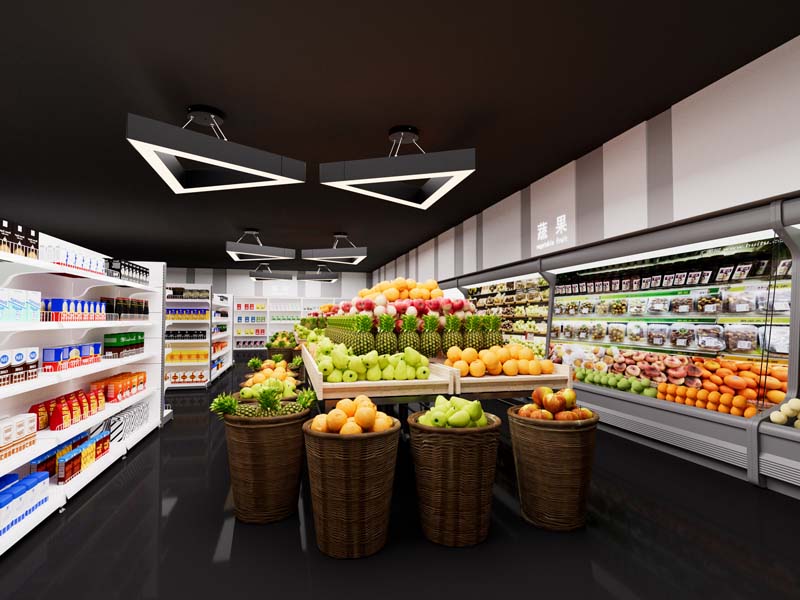
Boosting Sales in a Retail Environment
Discover how a flagship store used our tunable white commercial spotlight and linear commercial led fixtures to create dynamic displays. The high-CRI lighting made products more appealing, leading to a measurable increase in customer engagement and sales conversion.
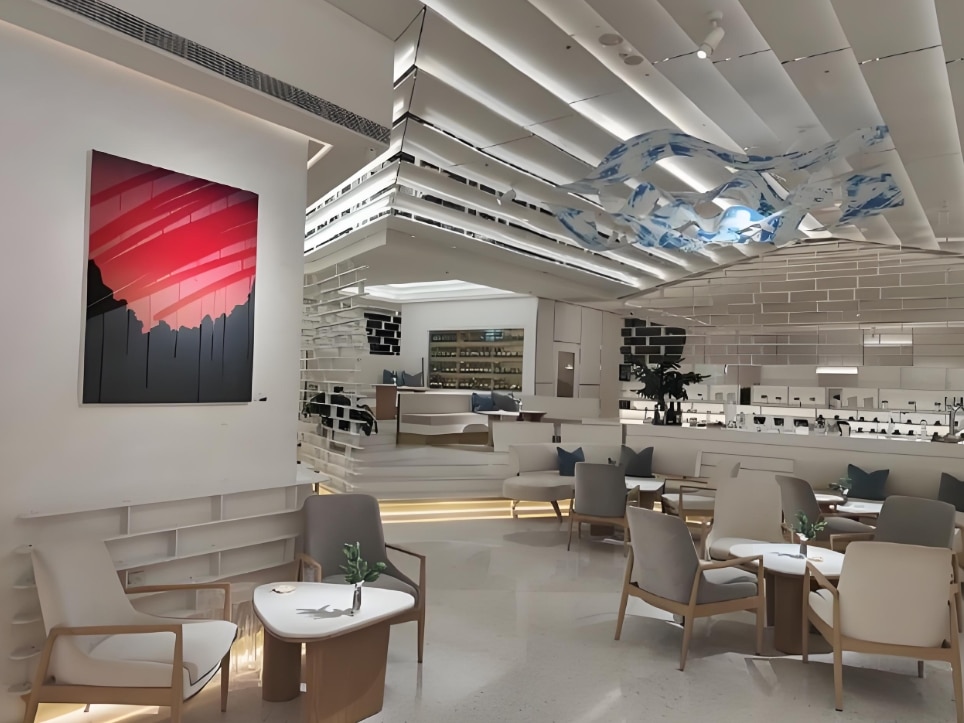
Commercial LED lighting solutions offer a wide range of benefits, from cost savings and energy efficiency to improved lighting quality and environmental sustainability. By making the switch to LED lighting, businesses can enhance their operations, reduce costs, and contribute to a more sustainable future. As technology continues to advance, LED lighting will remain at the forefront of commercial lighting design, offering innovative solutions for businesses of all sizes.